
Insulin is a hormone that lowers the level of glucose in the blood. It’s made by the beta cells of the pancreas and released into the blood when the glucose level goes up, such as after eating. Insulin helps glucose enter the body’s cells, where it can be used for energy or stored for future use.
It can be difficult to live with diabetes, but people can have happy, productive lives and manage their condition well with the correct insulin control measures.
At Catholicfating, we will examine several facets of insulin management control in this extensive book, ranging from insulin types to useful daily management advice.
Which is called insulin?
Insulin is a hormone produced by the beta cells of the pancreas. It is essential for regulating blood sugar levels in the body.
Insulin is a hormone made by an organ located behind the stomach called the pancreas. There are specialised areas within the pancreas called islets of Langerhans (the term insulin comes from the Latin insula, which means island).
When you eat, your body breaks down carbohydrates into glucose, a type of sugar. Glucose is then released into your bloodstream. Insulin helps your cells absorb glucose from the bloodstream and use it for energy.
If you don’t have enough insulin or your cells don’t respond to insulin properly, glucose can build up in your bloodstream. This can lead to a condition called diabetes.
Function of insulin
Insulin is a hormone produced by the beta cells of the pancreas. It acts like a key that unlocks the doors of your cells, allowing glucose (sugar) from the bloodstream to enter. Glucose is the primary source of energy for most cells in the body.
The major purpose of insulin is to regulate the body’s energy supply by balancing micronutrient levels during the fed state. Insulin is critical for transporting intracellular glucose to insulin-dependent cells/tissues, such as the liver, muscle, and adipose tissue.
Here’s a breakdown of the function of insulin:
- Regulates blood sugar levels: When blood sugar levels rise after a meal, the pancreas releases insulin to signal cells to absorb glucose. This helps to keep blood sugar levels within a normal range.
- Promotes glucose uptake into cells: Insulin binds to receptors on the cell surface, triggering a signal transduction cascade that leads to the translocation of glucose transporters to the cell membrane. These transporters then facilitate the diffusion of glucose into the cell.
- Stimulates glycogen synthesis: In the liver and muscle cells, insulin promotes the conversion of glucose into glycogen, a storage form of glucose. This helps to further reduce blood sugar levels.
- Inhibits glucose production: Insulin also inhibits the production of glucose by the liver, another way to help keep blood sugar levels in check.
- Promotes fat storage: Insulin signals fat cells to store excess glucose as triglycerides.
Without enough insulin, glucose can’t get into cells and builds up in the bloodstream, leading to a condition called hyperglycemia, which is the hallmark of diabetes.
What is insulin in diabetes?
It helps your body turn food into energy and manage your blood sugar levels. If you have diabetes, your body can’t make enough insulin or can’t use it properly. Your healthcare provider can prescribe manufactured insulin that you take through an injection (shot), an injectable pen, or a pump.
Insulin is a hormone naturally produced by your pancreas, an organ located behind your stomach. It acts like a key, unlocking the doors of your cells and allowing glucose, a type of sugar found in carbohydrates, to enter. Glucose is the primary source of energy for your body’s cells.
In people with diabetes, the body either doesn’t make enough insulin or the cells resist the insulin that is produced. This leads to high blood sugar levels, which can cause serious health problems.
There are two main types of diabetes:
- Type 1 diabetes: The body doesn’t produce insulin. People with type 1 diabetes need to take insulin injections to survive.
- Type 2 diabetes: The body either doesn’t produce enough insulin or the cells resist the insulin that is produced. People with type 2 diabetes may be able to control their blood sugar levels with diet, exercise, and oral medication, but they may also need insulin injections.
The fundamental component of treatment for type 1 diabetes and a useful tool for managing type 2 diabetes is insulin therapy. There are several varieties of insulin, and the one you require will be determined by your unique requirements. Although insulin is normally administered by injection, other delivery routes include inhalation and pumping.
Is Insulin a hormone or a protein?
Insulin is a hormone that is essential for regulating energy storage and glucose metabolism in the body. Insulin in liver, muscle, and fat tissues stimulates the cells to take up glucose from the blood and store it as glycogen in the liver and muscle. Failure of insulin control causes diabetes mellitus (DM).
Insulin is both a hormone and a protein.
- Hormone: It functions as a chemical messenger in the body, produced by the pancreas to regulate blood sugar levels.
- Protein: It’s made up of chains of amino acids, a structural component essential for many bodily functions.
So, insulin plays a specific role as a hormone while also belonging to the class of molecules called proteins.
Is insulin a drug?
Even though insulin meets the definition of a biologic (a complex molecule that’s made from living cells), it has been treated as both a drug and a biologic. This is important because drugs and biologic medications have different review and approval processes under FDA rules.
Insulin can be considered a drug, but it’s also classified as a biologic.
- Drugs are typically smaller molecules that can be produced through chemical synthesis.
- Biologics are complex molecules derived from living organisms or their products. Insulin is a hormone naturally produced by the body, so when it’s manufactured as a medication, it falls under the biologic category.
Although Insulin Management meets the definition of a biologic, it’s often referred to as a drug because it’s regulated by the Food and Drug Administration (FDA) following the same approval process as traditional drugs.
Here’s a table summarizing the key differences:
| Feature | Drug | Biologic |
| Molecule size | Small | Large and complex |
| Production method | Chemical synthesis | Derived from living organisms |
| Regulation | FDA-approved drugs | FDA-approved biologics |
The Role of Insulin in the Body
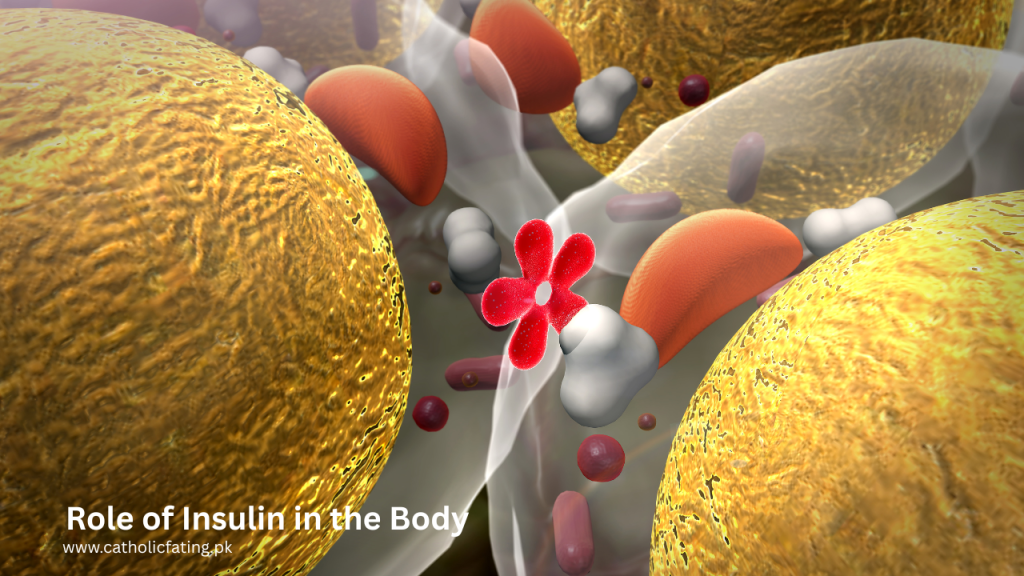
Insulin comes from an organ in the stomach area called the pancreas. The main role of insulin is to ensure that sugar from nutrients in food is correctly used or stored in the body.
If your body can make enough insulin, you don’t have diabetes. In people who don’t have diabetes, insulin helps.
1: Control Blood Sugar Levels
After you eat, your body breaks down nutrients called carbohydrates into a sugar called glucose. Glucose is the body’s main source of energy. It’s also called blood sugar. Blood sugar goes up after you eat.
When glucose enters the bloodstream, the pancreas responds by making insulin. Then insulin allows glucose to enter the body’s cells to give them energy.
2: Store Extra Glucose for Energy
After you eat, your insulin levels are high. Extra glucose is stored in the liver. This stored glucose is called glycogen.
Between meals, insulin levels are low. During that time, the liver releases glycogen into the bloodstream in the form of glucose. This keeps blood sugar levels within a narrow range.
If you have diabetes:
Your blood sugar levels keep rising after you eat. That’s because there’s not enough insulin to move the glucose into your body’s cells. With type 1 diabetes, the pancreas stops making insulin. With type 2 diabetes, the pancreas doesn’t make enough insulin. And for some people with diabetes, insulin does not work well.
If you don’t get diabetes treatment, high blood sugar can lead to health problems over time.
These conditions include:
- Heart attack or stroke.
- Kidney disease leads to kidney failure.
- Eye problems, including blindness.
- Nerve damage with nerve pain or numbness is called diabetic neuropathy.
- Foot problems that may lead to surgery to remove the foot.
- Dental issues.
Goals of Insulin Therapy
Insulin therapy keeps your blood sugar within your target range. It helps prevent serious complications.
If you have type 1 diabetes, you need insulin therapy to stay healthy. It replaces the insulin your body doesn’t make.
If you have type 2 diabetes, insulin therapy might be part of your treatment. It’s needed when healthy-lifestyle changes and other diabetes treatments don’t control your blood sugar well enough.
Insulin therapy is also sometimes needed to treat a type of diabetes that happens during pregnancy. This is called gestational diabetes. If you have gestational diabetes, you might need insulin therapy if healthy habits and other diabetes treatments don’t help enough.
Types of insulin
Any type of insulin helps treat diabetes. Each type varies in how quickly and how long it controls blood sugar. You may need to take more than one kind of insulin. Factors that help determine which types of insulin you need and how much you need include:
- The type of diabetes you have.
- Your blood sugar levels.
- How much do your blood sugar levels change during the day?
- Your lifestyle.
The main types of insulin therapy include:
Long-acting, ultralong-acting, or intermediate-acting insulins. When you’re not eating, your liver releases glucose, so your body has energy. Long-, ultralong-, or intermediate-acting insulin prevents blood sugar levels from rising without eating.
Examples of these insulins are glargine (Lantus, Basaglar, others), detemir (Levemir), degludec (Tresiba) and NPH (Humulin N, Novolin N, others). Intermediate-acting insulin lasts about 12 to 18 hours. Long-acting insulin works for about 24 hours. And ultralong-acting insulin lasts about 36 hours or longer.
Rapid-acting or short-acting insulins. These Insulin Management products are ideal for use before meals. If taken with a meal, they can help bring blood sugar back down to the baseline. They also blunt the sugar spikes after you eat.
They start to work much faster than long-acting or intermediate-acting insulins do. Sometimes, rapid-acting insulins begin working in as few as 5 to 15 minutes. But they work for a much shorter time. Rapid-acting insulin lasts about 2 to 3 hours. Short-acting insulin lasts about 3 to 6 hours.
Examples of these insulin management methods include ultrafast-acting aspart (Fiasp) and lispro (Lyumjev); rapid-acting aspart (NovoLog), glulisine (Apidra) and lispro (Humalog, Admelog); and short-acting, regular (Humulin R, Novolin R).
Sometimes, insulin makers combine two types of insulin. This is called pre-mixed insulin. It can be helpful for people who have trouble using more than one type of insulin. Pre-mixed insulin often starts to work in 5 to 60 minutes. It can keep working for 10 to 16 hours.
Be aware that different preparations of Insulin Management vary in terms of when they start working and how long they last. Be sure to read the instructions that come with your insulin. And follow any directions from your health care team.
Ways to Take Insulin
Insulin doesn’t come in pill form. The digestive system would break the pill down before it had a chance to work. But there are other ways to take insulin. Your health care team can help you decide which method fits best for you.
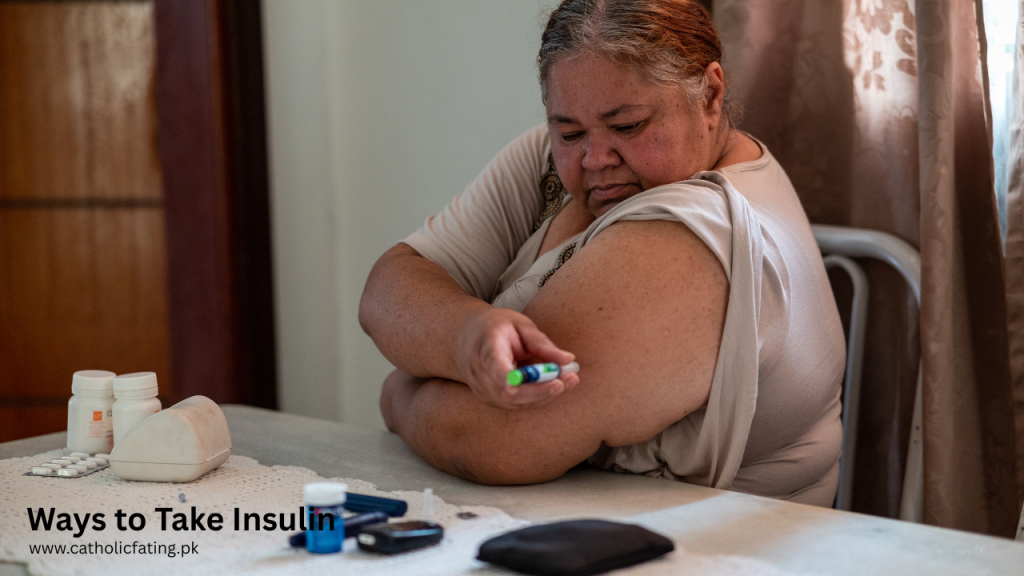
Choices include:
1: Shots or Pens
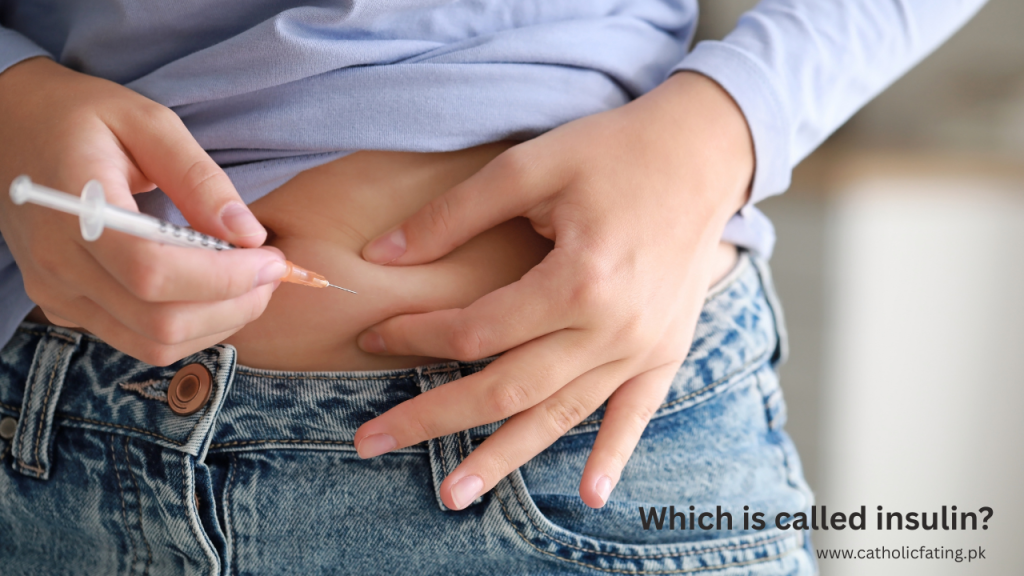
You can inject insulin into the fat just below the skin with a syringe and needle. Or you can inject it with a pen-like device. Both types of devices hold insulin with a needle attached. How often you need to use an insulin pen or shot depends on the type of diabetes you have.
It also depends on your blood sugar levels and how often you eat and exercise. You may need to take insulin shots or use insulin pens multiple times a day.
2: Insulin Pump
An insulin pump gives you small, steady amounts of rapid-acting insulin throughout the day. This works like using a shot of long-acting insulin. A pump can also give a rapid burst of insulin, often taken with food.
This works like using a shot of rapid-acting insulin. The pump pushes the insulin into a thin tube placed beneath the skin. Several different kinds of insulin pumps are available.
Inhaled insulin (Afrezza)
This type of insulin is rapid-acting. You breathe it in through a device that goes in your mouth, called an inhaler. You take this type of insulin at the start of each meal. People who smoke should not use inhaled insulin.
Nor should people who have lung problems, such as asthma or chronic obstructive pulmonary disease.
- Sometimes, using Insulin Management therapy can be a challenge. But it’s an effective way to lower blood sugar. Talk to a member of your health care team if you have any trouble with your insulin routine. Ask for help right away if at-home glucose tests show that you have very low or very high blood sugar. Your insulin or other diabetes medicines may need to be adjusted. With time, you can find an insulin routine that fits your needs and lifestyle. And that can help you lead an active, healthy life.
If you take many doses of insulin a day, ask your health care provider if there’s a way to make the routine simpler.
Adding noninsulin medicines to your treatment plan might lower the number of insulin shots you need each day. And if you take fewer insulin shots, you’ll need to check your blood sugar less often.
Certain noninsulin medicines have other health benefits, too. Some can help control weight and lower the chances of heart attack or stroke, heart failure, and kidney failure. Some people with type 2 diabetes can stop taking insulin completely after they start taking noninsulin medicines.
But it’s important to keep taking your insulin as prescribed until your health care provider tells you it’s OK to stop.
The Primary Goalof Glycemic Control:
The degree to which a patient’s blood sugar level is closely regulated is called the patient’s glycemic control.
Poor glycemic control leads to chronic hyperglycemia, which is the underlying cause of diabetic health problems. The first priority of diabetes care is to strengthen glycemic control.
FPG and PPG Level
Reducing hyperglycemia is the goal of diabetic disease control. The degree of a patient’s hyperglycemia—the level of glycemic control—is monitored in two ways:
- The average degree of glycemic control can be followed by measuring the patient’s blood concentration of glycosylated hemoglobin, HbA1c. This test represents a more stable average blood glucose over the preceding 120-day period.
- The current degree of glycemic control can be followed by measuring the daily levels of blood glucose before breakfast and after a meal. Home glucose monitors, which require ever-smaller amounts of blood to produce a reliable readout, have improved this aspect of management; however, these values fluctuate to a considerable degree during a day.
One way to monitor a patient’s glycemic control is to chart and monitor fasting plasma glucose (FPG) and postprandial blood glucose (PPG) levels. These measurements are taken by the patient, and the patient or a family member should learn to use a home glucose meter.
The American Diabetes Association (ADA, 2015) recommends that most adult patients should aim to maintain goals of:
- FPG (fasting plasma glucose) = 70–130 mg/dl
- Peak PPG (postprandial glucose) = <180 mg/dl
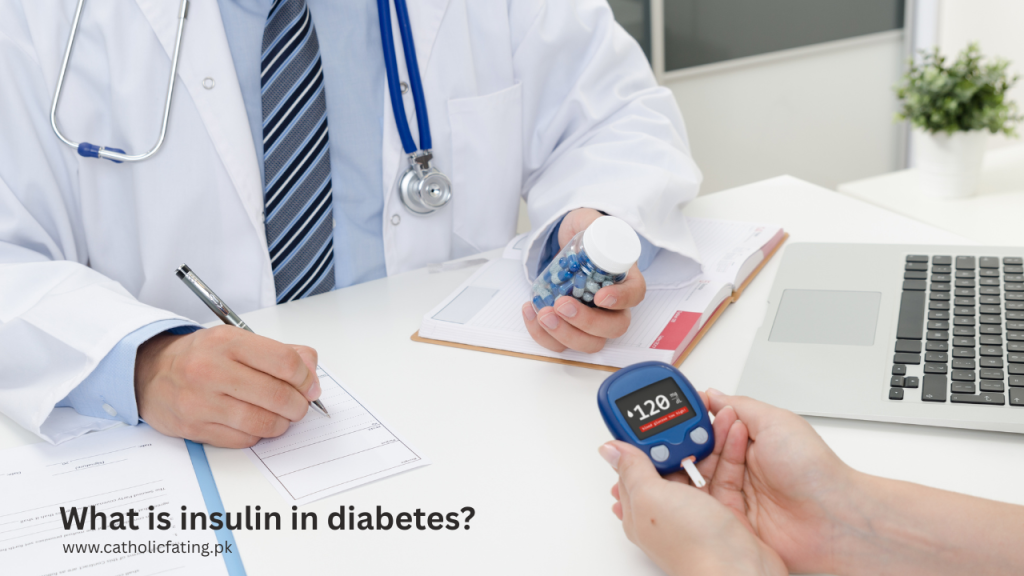
All patients with diabetes should learn to monitor their own blood glucose with a glucose meter and be given time to practice in front of a diabetes educator to confirm the correct procedure. Regular monitoring can provide feedback to patients on how activity, emotions, and meals affect their blood glucose levels.
Research provides evidence of a strong association between the frequency of self-monitoring of blood glucose and hemoglobin A1c (Miller et al., 2013). People can make needed daily adjustments by knowing their glucose numbers throughout the day rather than just in the doctor’s office every 3 to 6 months.
Patients taking diabetes medications, especially insulin, should also be taught how to adjust their medications, diet, and activity in response to hypoglycemia and hyperglycemia.
Technology has greatly strengthened the ability to measure BG throughout the day due to the continuous glucose monitor (CGM). Normally, the body regulates BG through constant feedback between insulin, glucose, somatostatin, and chemoreceptors in the blood that measure blood osmolarity (concentration of particles).
People with diabetes have lost effective autoregulation, which results in chronic hyperglycemic episodes. CGM consists of a glucose sensor, a transmitter, and a small external monitor that allows us to view BG levels in real time. A small needle is inserted into the subcutaneous tissue and shows glucose trends in tissue fluid.
CGM is available through several manufacturers but is more expensive than conventional home BG meters. CGM provides helpful information to patients managing their own BG levels, especially those with hypoglycemic unawareness, who may not recognize symptoms when their BG is dropping.
Dozens of blood glucose monitors have different features and costs. Each January, the ADA publishes in its Diabetes Forecast magazine a full consumer guide of meters currently on the market, which can help compare devices and products.
A1c Levels
Another good measure of glycemic control is the patient’s A1c level. The American Diabetes Association (ADA, 2015) recommends that adult non-pregnant patients aim to maintain a goal of A1c <6.5%. Lowering A1c to below or around 6.5% has been shown to reduce microvascular and macrovascular complications of type 1 and type 2 diabetes.
A1c values show the average glucose level for the past three months, so swings between hyperglycemia and hypoglycemia are smoothed out, which may not be the true picture. People taking insulin must have more immediate feedback about their blood glucose concentration, so daily FPG and PPG monitoring is crucial.
Current research also concludes that overall BG control after meals appears to be a more powerful indicator of overall glycemic control than FPG levels.
7 Strategies for Improving Glycemic Control
Diabetes is a progressive disease. In the prediabetic stage, a patient’s metabolic compensatory mechanisms may be able to avoid significant periods of hyperglycemia.
When people with T2DM no longer have the ability to keep their blood glucose levels within a near-normal range, adequate glycemic control can usually be maintained with a healthy diet, weight reduction, and increased physical exercise.

Treatment for T2DM typically begins with therapeutic lifestyle changes:
- An education program for patient self-management
- A weight reduction plan
- An individualized plan for medical nutrition
- An individualized exercise regimen
- A schedule of regular follow-up and monitoring visits
Based on the ADA and AADE’s 7 Self-Care Behaviors, the seven strategies for improving glycemic control are listed below.
7 Self-Care Behaviors
- Weight loss
- Meal planning
- Movement or exercise
- Monitoring
- Medications
- Stress management
- Prevention of complications
1: Weight loss
Weight loss is often of primary importance. Excess weight is a direct cause of insulin resistance, and as the excess weight increases, the glycemic control decreases. When the excess fat is visceral (inside the abdomen as opposed to directly under the skin), the diabetogenic effect is worse (Maitra, 2009).
Eighty to ninety percent of people with type 2 diabetes are overweight, and a weight loss of 5% to 10% of the person’s body weight will decrease:
- Average blood glucose levels
- Excess glucose is secreted by the liver
- Excess blood insulin that appears during fasting
- Overall insulin resistance
One of the first steps in helping an overweight person regain better control of their BG levels is to encourage them to lose weight. Formal weight loss programs that include low-calorie diets, behavior modification, and regular exercise have been shown to produce sufficient weight loss to improve the glycemic control of overweight patients with T2DM. An effective goal is a 5% to 10% weight loss (Joffe & Yanagisawa, 2007).
There are no magic weight loss diets, and it is always necessary to reduce people’s daily calories for them to lose weight. In the long run, low-carbohydrate diets (<130 g carbohydrates) seem to be about as effective and as safe as low-fat diets, but without intensive effort, either variety of diet typically produces only modest weight loss (ADA, 2015).
For those with type 2 diabetes who are very obese and have a BMI >35 kg/m2, bariatric surgery may be considered, because in many cases it can dramatically improve the patient’s glycemic control (ADA, 2015).
2: Meal Planning
The patient’s diet is an important component of the plan to keep blood glucose levels under control. An organized approach to a patient’s overall diet and eating habits is called medical nutrition therapy (MNT). In medical nutrition therapy, registered dietitians specializing in diabetes work with patients to plan both meal content and eating schedules.
The goals are to minimize hyperglycemic episodes and to fit the proper meals into the patient’s lifestyle. Appropriately planned eating has been shown to reduce the A1c levels of patients with type 2 diabetes by 2% to 3% in 6 months.
Although numerous studies have attempted to identify the optimal mix of macronutrients for meal plans of people with diabetes, it is unlikely that one such combination of macronutrients exists. The best mix of carbohydrate, protein, and fat appears to vary depending on individual circumstances (ADA, 2015).
Diets must be tailored to individual patients. Nonetheless, some general principles can be used as a starting point for patients with T2DM, such as knowing the basic macronutrients of carbohydrates, fats, and proteins and the micronutrients of vitamins and minerals (ADA, 2015). General recommendations include:
Calories
A reduction in total calories is usually needed.
Fats
- A reduction in total fats is helpful.
- Most important is the reduction in saturated fatty acids, trans fatty acids, and cholesterol. Saturated fat should be <7% of total daily calories. Trans fats should be reduced as close to zero as possible.
Carbohydrates
- Carbohydrates should be limited to about 130 g/day, divided among all the meals.
- When eating a varied diet, patients need to estimate the carbohydrate content of many different meals. For this, carbohydrate counting or carbohydrate exchange rules are two methods that can be used and taught.
Fiber
- Dietary fiber is an important part of any diet plan.
- The current recommendations are 14 g of dietary fiber per day for every 1,000 calories of food; this is 25 g of dietary fiber daily for women and 38 g for men (Amer. Diet. Assoc., 2015)
Miscellaneous Foods
- Sugar alcohols and nonnutritive sweeteners can be used in moderation.
- Alcohol should be limited to 1 drink/day for women and 2 drinks/day for men.
- Antioxidant supplements (vitamin C, vitamin E, or carotene) are recommended only if evidence of deficiency is seen.
- Chromium supplements are recommended only if a deficiency is seen. (ADA, 2015).
3: Movement or Exercise
Movement and exercise help patients with type 2 diabetes control their blood glucose levels and reduce their risk of developing cardiovascular disease. The minimum recommendation is 30 minutes of moderate-intensity physical activity 3 days a week. Brisk walking is an example of moderate-intensity physical activity.
The positive effects of exercise on glycemic control last for 2 to 3 days, but it is recommended that people exercise at least every other day.
Exercise can temporarily create hyperglycemia as muscles use up existing blood glucose and the liver releases stored glycogen to sustain the activity. Monitoring BG levels before exercise, and every hour for long-term activity, is important to avoid hypoglycemia.
If BG levels are >200 mg/dL, it is recommended to increase water consumption and carefully monitor BG throughout activity to avoid further elevating BG levels.
At the other extreme, hypoglycemia can be a problem. Some people with T2DM who are taking insulin or insulin secretagogues will become hypoglycemic with exercise. People with generally good glycemic control are least likely to develop severe hypoglycemia.
Those patients who tend to get hypoglycemic easily can prepare for exercise by lowering their insulin dose or by increasing their carbohydrate intake before exercising.
Other conditions require diabetic patients to check with their doctor before beginning an exercise program. Patients with severe peripheral neuropathy can unknowingly damage their feet during exercise that is hard on their lower limbs. In addition, severe retinopathy is sometimes a reason to avoid vigorous bouncing or head-lowering exercises.
Exercise programs should be tailored to each patient. For example, people who have been sedentary should begin their exercise program at low intensity and gradually increase the amount and timedurationtheir physical activities (Marwick et al., 2009).
To have a significant effect, regular activity must become a continuing part of a patient’s life. Human nature reveals that we stick to exercise goals more consistently when the activities are in a structured setting and when we report our progress to someone, such as attending regular classes and reporting our record.
Health professionals and diabetes educators can encourage patients to just move more in their daily activities. Finding activities that fit into their daily habits, meet their preferences, and that they enjoy will bring the best rewards.
4: Monitoring
Monitoring is a strategy for overall diabetes management, but it includes much more than just monitoring blood glucose levels. It also means to monitor blood pressure, lipid levels, A1c, weight, BMI, liver function, kidney function, skin and foot care, infections, vision, and overall health condition.
It is highly recommended that a patient with diabetes follow up regularly with the primary care provider for evaluation of glycemic control, prevention of complications, and treatment for any additional comorbidities.
5: Medications
Medication management often becomes necessary for glycemic control even after lifestyle modification efforts have been made. Over time, T2DM worsens, and the degree and frequency of hyperglycemia increase into a range that threatens tissue damage, resulting in eye, kidney, nerve, and artery problems.
When therapeutic lifestyle changes become insufficient to maintain good glycemic control for T2DM, it is time to consider medications. Physicians, APNs, and PAs have more options to consider when prescribing antihyperglycemic medications.
In the past, the only options were injectable insulin and oral sulfonylureas. Today, over nine classes of medications are available, with multiple brands and dosages within each class of drugs. The goal of all medications used to manage diabetes is to maintain glucose levels as close to normal as possible while minimizing the danger of hypoglycemia or other adverse effects.
The effectiveness of any antihyperglycemic medication is measured by a drop in A1c levels. The higher the baseline A1c, the greater the expected reduction (Triplitt, 2014).
Commonly Prescribed Oral Medications to Reduce Hyperglycemia in T2DM
1: Oral anti-hyperglycemic drugs
Action: Slows the absorption of carbohydrates from the intestines
- Alpha-glucosidase inhibitors
- Acarbose (Prandase, Precose)
- Miglitol (Glyset)
2: Biguanides
Action: decreases liver glucose release and decreases insulin resistance
- Metformin (Fortamet, Glucophage, Glumetza, Riomet, and combination drugs)
3: Dopamine agonist
Action: thought to affect circadian rhythm to decrease obesity and insulin resistance.
- Bromocriptine (Parlodel)
4: DPP-4 inhibitors
Action: prolongs the action of incretins to slow BG absorption
- Alogliptin (Nesina)
- Alogliptin & pioglitazone (Oseni)
- Linagliptin (Tradjenta)
- Saxagliptin (Onglyza)
- Sitagliptin (Januvia)
- Sitagliptin and simvastatin
5: Glucagon-like peptides
Action: similar to natural incretin. Increases insulin secretion, slows stomach emptying,g and reduces appetite.
- Albiglutide (Tanzeum); weekly
- Dulaglutide (Trulicity); daily
- Exenatide (Byetta); twice daily
- Exenatide extended release (Bydureon); weekly
- Liraglutide (Victoza); daily
6: Meglitinides
Action: stimulates insulin release from the pancreas.
- Repaglinide (Prandin)
- Nateglinide (Starlix)
6: SGLT2 inhibitors
Action: promotes glucose excretion through urine
- Dapagliflozin (Farxiga)
- Canagliflozin (Invokana)
- Empagliflozin (Jardiance)
8: Sulfonylureas (second-generation)
- Action: increase insulin secretion from the pancreas
- Glimepiride (Amaryl)
- Glimepiride and pioglitazone (Duetact)
- Glimeperide and rosiglitazone (Avandaryl)
- Gliclazide
- Glipizide (Glucotrol)
- Glyburide (DiaBeta, Glynase, Micronase)
- Chlorpropamide (Diabinese)
- Tolazamide (Tolinase)
- Tolbutamide (Orinase, Tol-Tab)
9: Thiazolidinediones (TZDs)
Action: decreases insulin resistance through improved muscle uptake of glucose
- Pioglitazone (Actos)
- Rosiglitazone (Avandia)
6: Stress Factors
Chronic stress can negatively impact glycemic control by triggering hormonal changes that raise blood sugar levels. Implementing stress management techniques such as mindfulness meditation, deep breathing exercises, yoga, or progressive muscle relaxation can help reduce stress levels and promote emotional well-being.
Engaging in hobbies, spending time with loved ones, and seeking support from a healthcare professional or counselor can also alleviate stress and improve glycemic control.
7: Prevention of Complications:
Preventing complications associated with diabetes is paramount for maintaining long-term health and well-being. This involves adhering to medical recommendations, such as regular check-ups, eye exams, foot care, and vaccinations.
Managing other risk factors, including high blood pressure and high cholesterol, is essential for reducing the risk of cardiovascular disease and other complications.
Educating oneself about diabetes management and seeking support from healthcare providers, diabetes educators, and support groups can empower individuals to take proactive steps toward preventing complications.
Conclusion
For people with diabetes to maintain their best health and avoid complications, effective Insulin Management is necessary.
Diabetes patients can better manage their illness and enhance their overall quality of life by collaborating with healthcare professionals, keeping an eye on blood sugar levels, adhering to a customized treatment plan, and embracing healthy lifestyle practices.
Making educated decisions that support long-term health and well-being is another aspect of insulin management, in addition to simply giving insulin.
Healthcare professionals can now help patients with diabetes manage hyperglycemia by using a range of basal and prandial insulins. To achieve glycemic control, these new insulins can be added to or combined with existing insulins in flexible regimens that can and should be tailored specifically for each patient.
In addition to educating patients about their diabetes, using an insulin algorithm and carb counting helps them better control their blood sugar levels and gain more autonomy over their lifestyle. Additional options for insulin delivery include insulin pens and insulin pumps.
However, regular self-monitoring of blood glucose is necessary for optimal diabetes treatment, regardless of the insulin regimen or method of administration.
FAQS (Frequently Asked Questions)
1: What is insulin management, and why is it important for individuals with diabetes?
Insulin management refers to the process of regulating insulin levels in the body, primarily for individuals with diabetes. It involves administering insulin in appropriate doses to maintain blood sugar levels within a healthy range. Proper insulin management is crucial for preventing complications associated with high or low blood sugar levels, such as nerve damage, cardiovascular issues, and organ damage.
2: What are the different types of insulin, and how do they work in insulin management?
There are various types of insulin, including rapid-acting, short-acting, intermediate-acting, and long-acting insulin. Each type works differently in terms of onset, peak time, and duration of action. Rapid-acting insulin typically starts working within minutes and lasts for a few hours, while long-acting insulin provides a slow and steady release over an extended period. Understanding the characteristics of each type is essential for tailoring insulin regimens to individual needs.
3: How do individuals determine their insulin dosage for effective management?
Insulin dosage varies depending on factors such as blood sugar levels, carbohydrate intake, physical activity, and individual insulin sensitivity. Healthcare professionals typically guide individuals in determining their insulin dosage through methods like carbohydrate counting, insulin-to-carbohydrate ratios, correction factors, and personal insulin sensitivity factors. Regular monitoring and adjustments are necessary to ensure optimal blood sugar control.
4: What are the common challenges or pitfalls encountered in insulin management?
Some common challenges in insulin management include hypoglycemia (low blood sugar), hyperglycemia (high blood sugar), insulin resistance, injection site reactions, weight gain, and lifestyle factors affecting insulin absorption and action. Additionally, fear or reluctance to inject insulin, adherence to treatment regimens, and financial constraints can also impact insulin management. Open communication with healthcare providers and education about proper insulin use are essential for overcoming these challenges.
5: How can technology assist in insulin management?
Technological advancements have revolutionized insulin management, offering tools such as insulin pumps, continuous glucose monitors (CGMs), and insulin pens with dose memory. These devices help individuals track blood sugar levels in real-time, deliver precise insulin doses, and provide valuable insights into insulin sensitivity patterns. Furthermore, smartphone apps and digital platforms enable data logging, trend analysis, and remote monitoring, facilitating collaborative diabetes management between patients and healthcare teams.


