
According to the International Diabetes Federation, 422 million people around the world have diabetes. Most of these people live in countries with low or moderate incomes. Diabetes affects the lives of about 1.5 million people every year. Over the last few decades, the number of people with diabetes has been slowly rising.
High blood sugar levels that don’t go down are a sign of diabetes. Long-term neglect can cause significant damage to the heart, lungs, eyes, kidneys, and nerves. Type 2 diabetes primarily affects individuals and causes illness.
When the body can’t make or use its insulin properly, it leads to diabetes. In all countries and income levels, the number of people with type 2 diabetes has grown greatly over the last 30 years.
Type 1 diabetes, also known as insulin-dependent diabetes or childhood diabetes, is a chronic condition characterized by insufficient insulin production by the pancreas. For people with diabetes to stay healthy and live, they need to be able to get insulin and other diabetes medicines at stable and low prices.
By 2025, everyone in the world will have decided to start a global effort to stop the disease from getting worse. This article talks a lot about the different kinds of diabetes, their signs, and the different ways to treat them.
How often does diabetes happen?
Diabetes affects many people. A little over 11 percent of Americans, or 37.3 million people, have diabetes. Type 2 diabetes makes up 95% to 100% of all cases of diabetes.
Almost 537 million people around the world have diabetes. We expect this number to rise to 783 million in the next few years and then to 643 million by 2030.
What is diabetes?
Diabetes mellitus, a group of diseases, can alter the body’s use of blood sugar (glucose). The cells that make up the body’s muscles and organs need glucose to do their jobs. It’s also the brain’s main source of fuel.
There are several main reasons why people get different types of diabetes. On the other hand, people with any type of diabetes can get high blood sugar. Blood sugar amounts that are too high could lead to serious health problems.
Diabetes, regardless of its type, negatively impacts your health over an extended period. It may be possible to cure conditions like prenatal diabetes and prediabetes. When blood sugar levels stay higher than usual for a long time, prediabetes happens.
However, the blood sugar levels do not meet the requirements for diabetes at this time. If we do nothing, prediabetes can develop into diabetes. Women who are pregnant can develop diabetes mellitus. It may go away after the baby is born, though.
What are the symptoms of diabetes?
How severe your diabetes symptoms are depends on how much sugar is in your blood. Individuals with diabetes may not always exhibit symptoms. People with prediabetes, prenatal diabetes, or type 2 diabetes should pay extra attention to this. People with type 1 diabetes have worse symptoms that show up more quickly.
Type 1 diabetes can happen to anyone at any age. Still, it generally starts in early childhood or adolescence. People of all ages can get type 2 diabetes, which is much more common. Type 2 diabetes is more likely to happen to people over the age of 40. Type 2 diabetes, on the other hand, is becoming more common among young people.
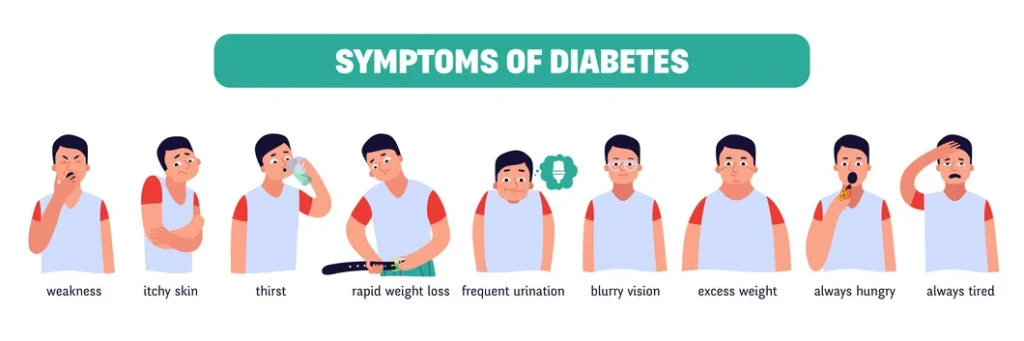
Both type 1 and type 2 diabetes can show up with signs like
- Feeling thirstier than usual
- Regular peeing.
- It was easy to fall off the wagon.
- See if your urine contains ketones. When you don’t have enough insulin, your body breaks down fat and muscle, which produces ketones.
- It can be experienced with fatigue and debilitation.
- There are mood swings, such as irritability.
- Having trouble seeing
- Some wounds persist for an extended period.
- They are experiencing a variety of infections, including those in their gums, faces, and internal organs.
Diabetes, in all its forms, stems from an excess of glucose in the blood. Different types of diabetes, on the other hand, have different causes for high blood sugar.
What are the main factors that lead to diabetes?
Insulin resistance plays a significant role in the development of type 2 diabetes. Insulin resistance happens when cells in the muscle, fat, and liver don’t respond properly to insulin.
Many factors, including being overweight, not exercising enough, eating poorly, having unbalanced hormones, having a family history of the disease, or taking certain drugs, can cause type 2 diabetes.
- Autoimmune disease: Type 1 diabetes and LADA happen when the immune system attacks the cells in the pancreas that make insulin
- Insulin resistance is caused by a lack of hormones, specifically, the hormones released by the placenta during pregnancy.
- Gestational diabetes can happen if the pancreas can’t make enough insulin to fight insulin resistance
- Conditions like Cushing syndrome and acromegaly, which are linked to hormones, can also lead to type 2 diabetes.
- An illness or injury to the pancreas can reduce its ability to produce insulin, potentially leading to Type 3 diabetes.
Certain genetic issues can lead to newborn diabetes.
How do you tell if someone has diabetes?
Frequently urination
If you have too much sugar in your blood, your urine may have an unusually high sugar level. Urine tests alone can’t tell if someone has diabetes. A doctor may think you have diabetes if your blood sugar level is more than 200 mg/dL. Assuming the diagnosis is correct, these tests are necessary to make sure the person is sick.
Checks for blood
An oral glucose tolerance test, hemoglobin A1c, and a fasting blood glucose test are the three most important blood tests used to diagnose diabetes.
Risk factors
People who are overweight (BMI of 25 or more) and have other risk factors need to undergo type 2 diabetes screenings. They are also required for adults aged 45 and up. Kids who are overweight and have other diabetes risk factors should start getting this test when they are 10 years old.
Types of Diabetes
The type of diabetes you have will determine your treatment. Diabetes can manifest itself in various ways, including the following:
Type 1
When a person’s pancreas stops making insulin, they have type 1 diabetes. This kind of illness usually shows up in teens or early adults, but it can happen at any age. People who have type 1 diabetes need insulin all the time.
Type 2
People with diabetes often experience this type of condition. When a person has type 2 diabetes, their body not only stops producing enough insulin but also often stops responding to the hormone’s effects. It happens more often in adults with extra body fat, but younger people can also get it.
Gestational diabetes
One type of diabetes only shows up during pregnancy. We refer to it as gestational diabetes. The majority of women no longer have it after giving birth. For women who have had prenatal diabetes, the chance of getting type 2 diabetes is higher.
Prediabetes diabetes
Prediabetes is characterized by high blood sugar levels that are not high enough to be diagnosed as type 2 diabetes. If you have prediabetes, you are more likely to get type 2 diabetes later in life. Having high glucose levels also raises your chance of heart disease compared to people whose glucose levels are normal.
Treatment of different diabetes type
The management of different types of diabetes can vary depending on a person’s overall health, the medications they take, and their lifestyle. No matter what the diagnosis is, the patient still needs to do what their doctor tells them to do to control their illness and avoid major complications.
Type 1 diabetes treatment
Their pancreas can’t make any insulin, no matter how little, because of this long-term illness. Because of their situation, the patient will need medical care for the rest of their lives. Type 1 diabetes, being an autoimmune trait, requires lifelong treatment. Kids and teens are most likely to get it.
People with this condition need to regularly check their blood sugar levels and give themselves insulin shots to stay healthy. People with type 1 diabetes cannot receive diabetes therapy until we understand their unique needs.
In type 1 diabetes, your body can’t make enough insulin, so you will need to get it from a needle. Two ways to take insulin more than once a day are to use an insulin pump, which constantly injects small amounts of insulin into your bloodstream or to take insulin with meals.
Type 2 diabetes treatment
This is different for each person with type 2 diabetes because their situation, other health problems, and living choices are all unique.
Some people with type 2 diabetes can keep their blood sugar levels normal by watching what they eat and being active. Some people do that by taking medicine. You might take this kind of medicine as a pill or as an injection, like insulin.
At different times in your life or because of certain events, like being pregnant, your drug needs may change.
If a healthy lifestyle, such as a balanced diet and regular physical exercise, is not enough to control their blood sugar levels, people with type 2 diabetes may receive medication.
Look at these few:
- Oral medications: these stop the liver from making glucose and make the body more sensitive to insulin.
- Metformin is one of these kinds of medicines.
- Sulfonylureas and glinides are known as prandial glucose controllers due to their ability to stimulate the pancreas to produce more insulin. It is possible for both of those medicines to cause low blood sugar and weight gain.
- Diabetes patients use thiazolidinediones to improve the function of insulin. Indeed, the adverse effects of these drugs led to their removal from the market.
- SGLT2 inhibitors are diabetes medications that prevent the kidneys from reabsorbing glucose into the bloodstream. This is why the body eliminates the sugar in the blood through urine.
- GLP1 agonists are diabetes medicines that work like endogenous incretin hormones, which the body makes naturally to lower blood sugar levels after eating.
Gestational diabetes treatment
High blood sugar during pregnancy is known as gestational diabetes. This problem can happen to women who have never had diabetes before, but it usually goes away after giving birth. It is important to handle this situation correctly to protect the health of both the mother and the future child.
Women who are pregnant can lower their chance of getting gestational diabetes by eating well and working out often. If these changes to how you behave don’t help control your blood sugar levels, you may need to take medicine
If your doctor tells you that you have gestational diabetes and your blood sugar levels are very high, you will probably start taking diabetes medicine right away as part of your personalized diabetes treatment plan.
Prediabetes treatment:
The best way to treat prediabetes is to live a healthy life, which includes the following:
- Make certain you eat well.
- Regular exercise should be a part of your life.
- Say no to smoking.
- Take care of your blood pressure and cholesterol.
If you have a high chance of getting diabetes, your doctor may give you metformin (Glucophage) or another drug to help lower your blood sugar.
How do you take care of someone with diabetes?
Diabetes requires multifaceted management due to its complexity. Also, each person experiences diabetes differently, necessitating a unique approach to its control.
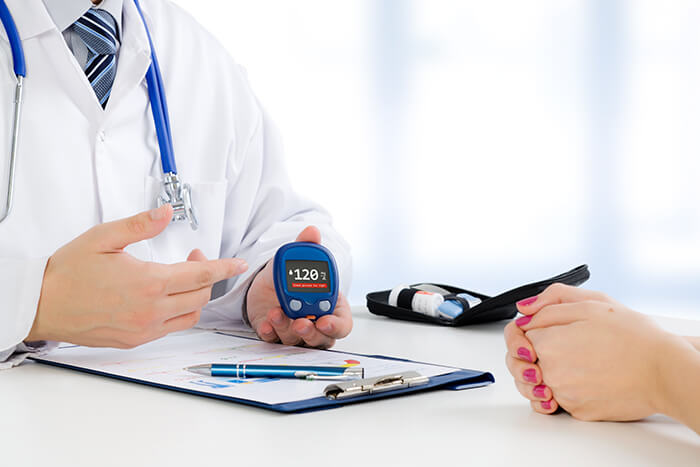
Monitoring your glucose (blood sugar) levels is crucial. This is an important part of keeping track of how well your current treatment plan is working. It provides information about managing your diabetes that you can use on a daily or even hourly basis.
You can monitor your blood sugar levels using a continuous glucose monitor (CGM), a glucose meter, or a fingerstick. You and your doctor will discuss healthy blood sugar levels.
Diabetes medicines that are taken by mouth: People with Type 2 diabetes and prediabetes who still make some insulin can benefit from these drugs because they help keep blood sugar levels. Oral diabetes medications:
These drugs are beneficial for individuals with Type 2 diabetes and prediabetes who still produce some insulin, as they aid in controlling blood sugar levels with synthetic insulin, thereby enabling them to manage their diabetes effectively. Metformin is the most commonly used type of diabetes medication. Synthetic insulin comes in various forms.
All of them work at different speeds and stay in your system for different amounts of time. Syringe injections, insulin pens, insulin pumps, and inhaled fast-acting insulin are the four most popular ways to administer glucose.
Food has a big effect on blood sugar, so if you want to keep your diabetes under control, you should plan your meals and eat well. Insulin users who have diabetes need to make sure they eat and drink things that contain carbs.
How much insulin you need at meals depends on how many carbs you eat. Adopting healthy eating habits can help you lose weight and lower your chances of heart disease.
Regular exercise is an important part of treatment for everyone with diabetes because it makes insulin work better and lowers insulin resistance.
- Heart disease is more likely to happen, which makes it even more important to stay fit.
- Weight in pounds.
- The patient has high blood pressure
Advice on diet and health as a diabetes treatment
When someone has diabetes, their doctor will probably tell them to make changes to their lifestyle that will help them keep their weight in check and improve their health in general.
For example, a doctor might recommend a nutritionist to a person with diabetes or prediabetes. With the help of a professional, people with diabetes can take care of their condition and live better lives.
Individuals with diabetes can improve their health by engaging in the following activities:
- It is important to consume a variety of fresh fruits and vegetables, whole grains, lean meats, low-fat dairy, nuts, and other healthy foods.
- Avoiding sweets, fried foods, and sugar-filled drinks is recommended.
- Avoid drinking alcohol or consuming less than one drink per day for women and two drinks per day for men.
- Engage in at least 30 minutes of physical activity five days a week, such as walking, aerobics, riding, or swimming.
- Low blood sugar can make you feel dizzy, lightheaded, weak, and sweat a lot. You should be aware of these signs.
Some people may consult their doctors about maintaining a healthy weight. This could potentially enable some individuals to manage their type 2 diabetes without the need for medication.
Use of insulin as a diabetes treatment
All individuals with type 1 diabetes, as well as some with type 2 diabetes, require insulin to prevent their blood sugar levels from rising too high. There are different kinds of insulin. We categorize most insulins based on the duration of their effect. Insulin comes in various forms and durations, including mixed, intermediate, short-acting, and fast-acting varieties. ends.
People who use insulin with a longer half-life can keep their blood sugar levels low all the time. Some people may use a mix of insulin kinds or insulin that works quickly. Blood sugar readings of any type are usually used to figure out how much insulin to give.
A skin prick with a blood glucose monitor is one way to check blood sugar levels. Another is a hybrid method that combines skin pricks with continuous glucose monitoring (CGM). Constant glucose monitors track your blood sugar levels throughout the day. This could potentially assist individuals in altering their medication regimen.
People can only find out their blood sugar levels by checking them themselves. If someone thinks they have dangerously low blood sugar and needs a quick injection of glucose, they shouldn’t guess the level based on any physical symptoms that happen.
Conclusion
Being diabetic is not an effortless condition to manage. Even after everything you’ve learned, there is still a possibility that your blood sugar levels will occasionally rise. If you have been following your doctor’s diabetic management plan, your A1C should be lower when you visit.
It can be challenging to keep up with the management of diabetes at times. There are a lot of folks who could benefit from conversation. Generally, you can expect your primary care physician to recommend a mental health expert to you. You should give some thought to the possibility of joining a support group.
FAQ’S
Tell me about the different kinds of diabetes.
People who have Type 1 diabetes can’t make insulin. People with type 2 diabetes can’t make enough insulin or use it correctly. Gestational diabetes is the name for the type of diabetes that shows up during pregnancy and usually goes away after the baby is born.
How is diabetes taken care of?
Different types of diabetes need different ways to be treated. People with type 1 diabetes need to take insulin. To keep type 2 diabetes under control, people only need to make changes to their lifestyle, take their medicine, and sometimes inject insulin.
Most of the time, changing your food and getting more exercise are all that’s needed to control gestational diabetes. But a lot of women will need insulin to keep their numbers in check.
Can you get rid of diabetes?
So far, no good way to treat or cure diabetes has been found. It is manageable with the help of diabetes medicine and close tracking of vital signs like blood sugar levels. People with type 2 diabetes can sometimes get better by making changes to their lifestyle, especially by losing weight and getting more exercise. But this isn’t 100% sure to work.
What kinds of medicines are most often used to treat diabetes?
People with type 1 diabetes can be treated with insulin pumps or shots. Type 2 diabetes can be treated with insulin, sulfonylureas, SGLT2 inhibitors, GLP-1 receptor agonists, and metformin. People who are pregnant often use insulin or pills to treat gestational diabetes.
What part does food play in taking care of diabetes?
An important job. Carbohydrate intake is not recommended, and sugary foods should not be eaten at all. To keep blood sugar levels steady, lower glycemic index foods should always be used.
A meal that is good for people with diabetes should have a lot of fiber, lean protein, and healthy fats.
How often should I check my blood sugar?
The treatment plan will be decided. People whose diabetes is controlled by food and oral medications may not need to be checked as often, while people who are on insulin therapy may need to be checked several times a day. Your doctor will help you figure out the best time for you to get checks.
Are there any natural ways to keep diabetes under control?
Some supplements, like fenugreek, cinnamon, and berberine, may help control blood sugar, but they shouldn’t be used instead of normal treatment. Talk to your doctor first if you think you should use these natural treatments.
What are the long-term effects of not treating or managing diabetes well?
Don’t treat or control your diabetes properly, and it can lead to more serious problems and diseases, like heart disease, nerve damage (diabetic neuropathy), eye problems (retinopathy), and an increased risk of getting infections.
Does working out drop blood sugar?
Patients may have a better chance of having their blood sugar levels drop if they are active. This may be because exercise makes the body more sensitive to insulin. People with diabetes also need to do strength training and aerobic exercises like walking, swimming, or cycling daily to keep their blood sugar levels in check.
How important is it for people with diabetes to take care of their feet?
Diabetes can make it hard for the blood to flow and nerves to work properly, which can lead to infections and sores on the feet. To keep problems from happening, healthy skin does need to be checked on a daily basis, and wear the right shoes and hygiene products.


