
Diabetes mellitus is a chronic metabolic disorder characterized by elevated blood sugar (glucose) levels, which result from either the pancreas not producing enough insulin or the body’s cells not responding properly to the insulin produced.
Insulin is a hormone that helps the body’s cells use glucose for energy. When glucose builds up in the blood instead of being used for energy, it can lead to serious health problems over time.
Diabetes mellitus is a common condition that affects people of all ages. Diabetes can take multiple forms. The most common type is type 2. You can control the illness to lead a healthy life and avoid problems by using a combination of treatment strategies.
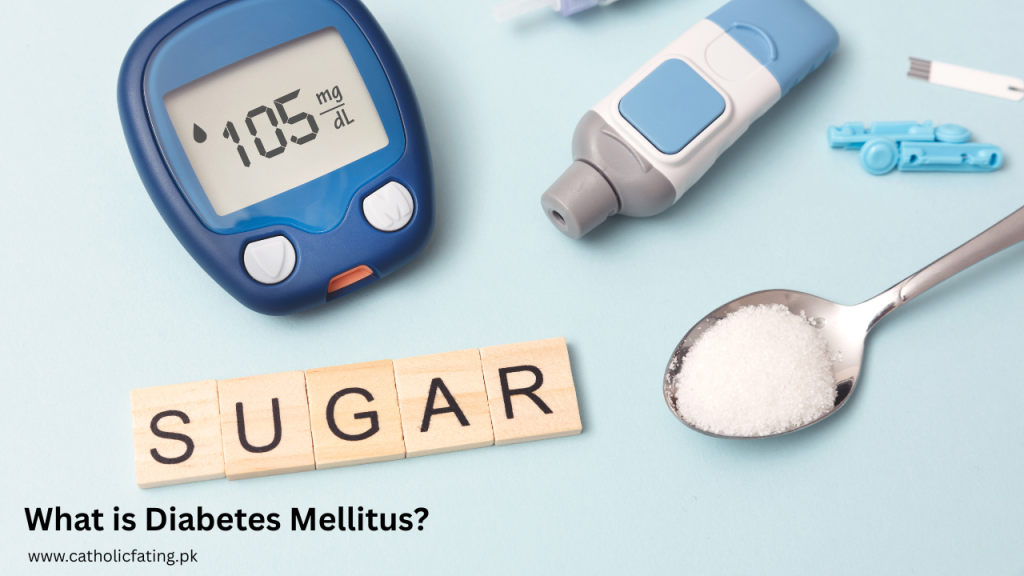
What is Diabetes Mellitus?
Diabetes mellitus is a chronic metabolic disorder characterized by elevated blood sugar (glucose) levels, which result from either the pancreas not producing enough insulin or the body’s cells not responding properly to the insulin produced.
Insulin is a hormone that helps the body’s cells use glucose for energy. When glucose builds up in the blood instead of being used for energy, it can lead to serious health problems over time.
Diabetes mellitus has different basic causes. However, diabetes can result in an excess of sugar in the blood regardless of the type you have. A blood sugar level that is too high can cause major health issues.
Type 1 and type 2 diabetes are chronic diabetes diseases. Prediabetes and gestational diabetes are two diabetes disorders that may be treated. When blood sugar levels are greater than usual, prediabetes develops.
However, the blood sugar isn’t elevated enough to qualify as diabetes. Furthermore, if preventative measures are not implemented, prediabetes might progress to diabetes mellitus. Gestational diabetes develops in the course of pregnancy. However, when the baby is born, it can disappear.
There are four main types of diabetes mellitus:
- Type 1 diabetes: This is an autoimmune disease in which the body’s immune system attacks and destroys the insulin-producing beta cells in the pancreas. This means that the body produces little or no insulin. Type 1 diabetes is usually diagnosed in children and adolescents, but it can also occur in adults.
- Type 2 diabetes: This is the most common type of diabetes, accounting for about 90% of all cases. It is characterized by insulin resistance, which means that the body’s cells do not respond properly to insulin. This can lead to high blood sugar levels. Type 2 diabetes is often associated with overweight or obesity, but it can also occur in people who are not overweight.
- Gestational diabetes: This type of diabetes develops during pregnancy and usually disappears after the baby is born. However, women with gestational diabetes are at an increased risk of developing type 2 diabetes later in life.
- Prediabetes: When your blood sugar is higher than normal but not high enough to be diagnosed as type 2 diabetes, it’s considered prediabetes. It happens when your body’s cells don’t react to insulin as they need to. Later on, this can result in type 2 diabetes.
Other Specific Types of Diabetes Mellitus
In addition to the three main types of diabetes mellitus, there are several other specific types, including:
- Maturity-onset diabetes of the young (MODY): A group of genetic disorders that cause diabetes in young people.
- Neonatal diabetes: A rare form of diabetes that develops in infancy.
- Cystic fibrosis-related diabetes (CFRD): A type of diabetes that can occur in people with cystic fibrosis, a genetic disorder that affects the lungs and digestive system.
- Steroid-induced diabetes: A type of diabetes that can be caused by the use of certain medications, such as corticosteroids, can occur.
- Drug-induced diabetes: A type of diabetes that certain medications, such as certain HIV protease inhibitors and some antipsychotic drugs, can cause.
It is important to note that these are just the main types of diabetes mellitus, and there are some other, rarer, subtypes of diabetes mellitus. If you are concerned that you may have diabetes, it is important to see your doctor for diagnosis and treatment.
Symptoms of Diabetes Mellitus
Your blood sugar level will determine how severe your diabetes is. Some people may not have symptoms, particularly if they have type 2 diabetes, gestational diabetes, or prediabetes. The symptoms of type 1 diabetes typically appear more severely and rapidly.
The symptoms of diabetes mellitus can vary depending on the type of diabetes and the severity of the condition. However, some common symptoms include:
- Increased thirst: This is because the body is trying to get rid of excess sugar in the blood by producing more urine.
- Frequent urination: As the body produces more urine, you will need to urinate more often.
- Unexplained weight loss: When the body doesn’t have enough insulin to use glucose for energy, it starts to break down muscle and fat for energy. This can lead to unexplained weight loss.
- Extreme hunger: The body may feel hungry even after eating because it is not able to properly use glucose for energy.
- Fatigue: The lack of energy due to the body’s inability to use glucose for energy can cause fatigue.
- Blurred vision: High blood sugar levels can damage the blood vessels in the eyes, leading to blurred vision.
- Slow-healing sores: High blood sugar levels can damage the nerves and blood vessels, making it difficult for the body to heal wounds.
- Frequent infections: High blood sugar levels can weaken the immune system, making you more susceptible to infections.
- Numbness or tingling in the hands or feet: Nerve damage from diabetes can cause numbness or tingling in the hands or feet.
- Skin problems: High blood sugar levels can cause dry, itchy skin.
If you are experiencing any of these symptoms, it is important to see your doctor to get tested for diabetes. Early diagnosis and treatment of diabetes mellitus can help prevent serious complications, such as heart disease, stroke, nerve damage, and eye damage.
What causes leads to diabetes?
Diabetes, of any kind, is caused by an excess of glucose in the bloodstream. However, depending on the type of diabetes you have, there are several causes for elevated blood glucose levels.
Diabetes has several causes, including:
- Insulin Resistance: Insulin resistance is the primary cause of type 2 diabetes. Insulin resistance is the result of your muscles, fat, and liver cells not responding to insulin as they should. Insulin resistance can be caused by several illnesses and circumstances, ranging from heredity to obesity, inactivity, poor diet, hormone imbalances, and certain drugs.
- Autoimmune Disease: Your immune system attacking the cells in your pancreas that produce insulin causes Type 1 diabetes and LADA.
- Hormonal Imbalances: The placenta releases hormones that lead to insulin resistance throughout pregnancy. If your pancreas is unable to produce enough insulin to overcome insulin resistance, you may develop gestational diabetes. Type 2 diabetes is also a possible side effect of acromegaly and Cushing syndrome, two other hormone-related disorders.
- Pancreatic Damage: Your pancreas’s capacity to produce insulin may be impacted by physical damage, such as that caused by an illness, surgery, or accident, which can lead to Type 3c diabetes.
- Genetic Mutations: MODY and neonatal diabetes can be brought on by specific genetic mutations.
Type 2 diabetes can also result from long-term use of certain drugs, such as corticosteroids and HIV/AIDS treatments.
What are the complications of diabetes?
Diabetes-related long-term effects appear gradually. The risk of problems increases with the length of time you have diabetes mellitus and the degree to which your blood sugar is regulated.
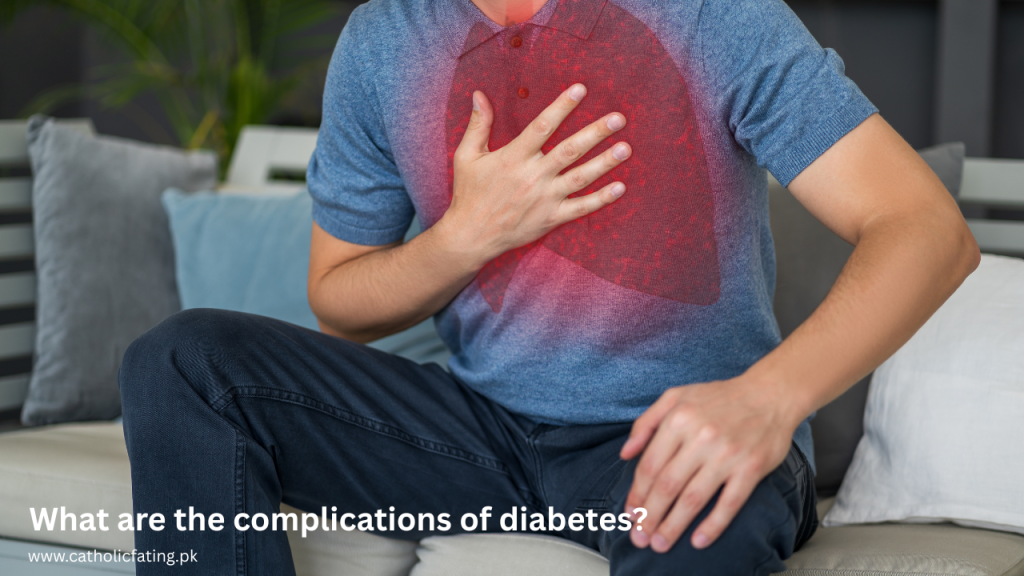
Diabetes problems have the potential to become incapacitating or even fatal over time. In actuality, type 2 diabetes can develop from prediabetes. Among the possible complexities are:
1: Heart and blood vessel (cardiovascular) disease:
The risk of numerous heart issues is significantly increased by diabetes. These include atherosclerosis, heart attacks, strokes, and coronary artery disease accompanied by angina (chest pain). Heart disease and stroke are more common in those with diabetes mellitus.
2: Nerve damage from diabetes (diabetic neuropathy):
Excessive sugar consumption can damage the walls of the capillaries, which are tiny blood vessels that supply the nerves, particularly in the legs. This may result in discomfort, tingling, numbness, or burning that typically starts at the tips of the fingers or toes and works its way up.
Constipation, vomiting, diarrhea, and nausea can all be symptoms of damage to the digestive system’s nerves. It could result in erectile dysfunction (ED) in men.
3: Diabetes-related kidney disease (diabetic nephropathy):
Millions of microscopic blood vessel clusters called glomeruli, which remove waste from the blood, are found in the kidneys. This delicate filtering system can be harmed by diabetes.
4: Eye damage from diabetes (diabetic retinopathy):
Diabetes mellitus has the potential to harm the eye’s blood vessels. Blindness could result from this.
5: Foot damage:
Numerous foot issues are more likely to occur in cases of nerve injury or impaired blood supply to the feet.
6: Skin and mouth conditions:
Diabetes may increase your vulnerability to fungal and bacterial infections as well as other skin issues.
7: Hearing impairment:
Diabetes patients are more likely to experience hearing issues.
8: Alzheimer’s disease:
Dementia, including Alzheimer’s disease, may become more common in people with type 2 diabetes.
9: Depression related to diabetes:
Individuals with type 1 and type 2 diabetes frequently experience symptoms of depression.
Risk Factors of Diabetes Mellitus
Diabetes risk factors vary depending on the type of diabetes mellitus. A factor in all kinds of cases may be family history. Geographical location and environmental factors can increase one’s risk of type 1 diabetes.
Family members of individuals with type 1 diabetes may undergo testing to identify diabetic immune system cells, often known as autoantibodies. You run a higher risk of type 1 diabetes if you have these autoantibodies. Yet not all individuals with these autoantibodies go on to develop diabetes.

Your chance of getting type 2 diabetes may also be increased by your race or ethnicity. Some groups are more vulnerable than others; the reasons behind this are unknown, but they include Black, Hispanic, American Indian, and Asian American individuals.
The risk of gestational diabetes, type 2 diabetes, and prediabetes is higher in those who are overweight or obese.
Diagnosis and Tests: How is diabetes diagnosed?
By taking a blood test, Catholic Fating providers can identify diabetes by monitoring your blood glucose levels. There are three ways to determine your blood glucose level:
- Fasting blood glucose test: You must fast (i.e., consume nothing but water) for at least eight hours before the test. This test gives your provider access to your baseline blood sugar because food can significantly alter blood sugar levels.
- Random blood glucose test: The term “random” refers to the fact that you can do this test whenever you choose, even if you haven’t fasted.
- A1c: Your average blood glucose level for the previous two to three months is provided by this test, also known as the glycated hemoglobin test (HbA1C).
Providers order an oral glucose tolerance test to screen for and diagnose gestational diabetes.
Generally speaking, the following test results show if you have prediabetes, diabetes, or neither. These figures could be a little off. Additionally, other tests are used by medical professionals to detect diabetes.
| Type of test | In-range (mg/dL) | Prediabetes (mg/dL) | Diabetes (mg/L) |
| Fasting blood glucose test | Less than 100. | 100 to 125. | 126 or higher. |
| Random blood glucose test | N/A. | N/A. | 200 or higher (with classic symptoms of hyperglycaemia or hyperglycaemic crisis). |
| A1c | Less than 5.7%. | 5.7% to 6.4%. | 6.5% or higher. |
Prevention of Diabetes Mellitus
Diabetes mellitus is a chronic metabolic disorder characterized by elevated blood sugar levels (hyperglycemia). It is caused by either the pancreas’s failure to produce enough insulin or the body’s cells’ inability to respond properly to the insulin that is produced. Insulin is a hormone that helps the body use glucose for energy.
When glucose levels are high, it can damage organs and tissues throughout the body.
There are two main types of diabetes mellitus: type 1 and type 2. Type 1 diabetes is an autoimmune disease that occurs when the body’s immune system attacks and destroys the beta cells in the pancreas, which are responsible for producing insulin.
Type 2 diabetes is the most common type, and it is often caused by a combination of genetics and lifestyle factors, such as obesity, inactivity, and unhealthy eating habits.
While type 1 diabetes cannot be prevented, several things can be done to prevent or delay the onset of type 2 diabetes. These Preventions include:
- Maintaining a healthy weight: Losing even a small amount of weight can help to improve blood sugar control.
- Eating a healthy diet: A healthy diet includes plenty of fruits, vegetables, and whole grains. It is also important to limit processed foods, sugary drinks, and unhealthy fats.
- Getting regular physical activity: Aim for at least 30 minutes of moderate-intensity exercise most days of the week.
- Quitting smoking: Smoking can increase the risk of developing type 2 diabetes.
- Drop the extra weight: Reducing even 7% of your body weight will help lessen your chances of developing diabetes if you are overweight. For instance, reducing 14 pounds (6.4 kg) can reduce the risk of diabetes if you weigh 200 pounds (90.7 kg).
However, avoid attempting to lose weight while expecting a baby. Find out from your physician how much weight gain is normal for you during pregnancy.

Make long-term adjustments to your food and exercise routines to maintain a healthy weight. Recall the advantages of weight loss, including improved energy, a stronger heart, and increased self-esteem.
In addition to these lifestyle changes, there are also a number of medications that can be used to prevent or delay the onset of type 2 diabetes. These medications work by either increasing the body’s production of insulin or making the body’s cells more responsive to insulin.
Drugs are a possibility sometimes. Type 2 diabetes risk may be decreased by oral diabetes medications like metformin (Glumetza, Fortamet, and others). However, adopting a healthy lifestyle is crucial. Check your blood sugar at least once a year if you have prediabetes to be sure you haven’t developed type 2 diabetes.
FAQS (Frequently Asked Questions)
Q#1: What is diabetes mellitus?
Diabetes mellitus, commonly known as diabetes, is a chronic metabolic disorder characterized by elevated blood sugar levels. It occurs when the body either doesn’t produce enough insulin or doesn’t use insulin effectively. Insulin is a hormone that regulates blood sugar by allowing glucose, the primary source of energy for cells, to enter the cells from the bloodstream.
Q#2: What are the different types of diabetes mellitus?
There are three main types of diabetes:
- Type 1 diabetes: This type of diabetes is caused by the body’s immune system attacking and destroying the insulin-producing beta cells in the pancreas. As a result, the body produces little or no insulin, leading to high blood sugar levels. Type 1 diabetes typically develops in childhood or adolescence, but it can also occur at any age.
- Type 2 diabetes: This is the most common type of diabetes, accounting for about 90% of all diabetes cases. It is characterized by insulin resistance, a condition in which the body’s cells don’t use insulin properly. Over time, the pancreas may not be able to produce enough insulin to overcome insulin resistance, leading to high blood sugar levels. Type 2 diabetes is often associated with risk factors such as obesity, physical inactivity, and family history.
- Gestational diabetes: This type of diabetes develops during pregnancy in women who have never had diabetes before. It usually disappears after the baby is born, but women with gestational diabetes are at increased risk of developing type 2 diabetes later in life.
Q#3: What are the symptoms of diabetes?
Symptoms of diabetes mellitus can vary depending on the type and severity of the condition. Common symptoms include:
- Frequent urination
- Excessive thirst
- Unexplained weight loss or gain
- Increased hunger
- Fatigue
- Blurred vision
- Slow-healing sores
- Frequent infections
Q#4: How is diabetes diagnosed?
Diabetes is diagnosed by measuring blood sugar levels. The most common tests used for diagnosis include:
- A1C test: This test measures average blood sugar levels over the past 2-3 months.
- Fasting blood glucose test: This test measures blood sugar levels after an overnight fast.
- Random blood glucose test: This test measures blood sugar levels at any time of day.
- Oral glucose tolerance test (OGTT): This test measures blood sugar levels before and after drinking a sugary liquid.
Q#5: How is diabetes treated?
Diabetes mellitus treatment depends on the type of diabetes and the individual’s needs. Common treatment options include:
- Lifestyle changes: Making healthy lifestyle changes, such as losing weight, eating a healthy diet, and exercising regularly, can help manage blood sugar levels and reduce the risk of complications.
- Medications: Several types of medications are available to treat diabetes. These medications can help lower blood sugar levels, increase insulin production, or make the body’s cells more sensitive to insulin.
- Insulin therapy: People with type 1 diabetes require insulin injections to regulate their blood sugar levels. Some people with type 2 diabetes may also need insulin therapy.
It is important to work with a healthcare team to develop a personalized treatment plan that is right for you.
Good Luck!!!


