
Diabetes type 1 is a chronic illness also referred to as juvenile diabetes or insulin-dependent diabetes. The pancreas produces little or no insulin in this situation. The hormone insulin is what the body uses to let glucose, or sugar, into cells so those cells can make energy.
Several variables, including some viruses and genetics, can bring on type 1 diabetes. Type 1 diabetes can strike adults even though it typically first manifests in childhood or adolescence.
There is still no cure for type 1 diabetes, despite much research. To prevent complications, treatment focuses on managing blood sugar levels through the use of insulin, dietary adjustments, and lifestyle modifications.
What is Type 1 Diabetes?
Type 1 diabetes is a chronic medical condition characterized by the immune system’s destruction of insulin-producing beta cells in the pancreas. Unlike type 2 diabetes, which is often associated with lifestyle factors and insulin resistance, type 1 diabetes is primarily an autoimmune disorder.
This means that the body’s immune system mistakenly recognizes the beta cells as foreign invaders and attacks them, resulting in an insulin deficiency.
Insulin is a hormone crucial for regulating blood sugar (glucose) levels. It allows cells to absorb glucose from the bloodstream, providing the necessary energy for various bodily functions. In the absence of sufficient insulin, glucose accumulates in the blood, leading to hyperglycemia (high blood sugar).
This elevated blood sugar can cause a range of symptoms and, if not properly managed, may lead to serious complications affecting the eyes, kidneys, nerves, and cardiovascular system.
Type 1 diabetes typically manifests early in life, often during childhood or adolescence, although it can occur at any age. The exact cause of the autoimmune response triggering type 1 diabetes is not fully understood, but genetic factors and environmental triggers are believed to play a role.
People with type 1 diabetes must manage their condition through lifelong insulin therapy, either through multiple daily injections or an insulin pump. Additionally, regular monitoring of blood sugar levels, a balanced diet, and regular physical activity are crucial components of managing type 1 diabetes to achieve optimal glucose control and reduce the risk of complications.
Despite these challenges, advancements in medical technology and ongoing research offer hope for improved treatments and, ultimately, a cure for this autoimmune condition.
Approximately 5–10% of persons with diabetes have type 1 diabetes, which is less frequent than type 2. Type 1 diabetes cannot currently be prevented; however, it can be effectively treated by:
- Follow the advice of your physician to lead a healthy lifestyle.
- Controlling blood sugar levels.
- Having routine medical examinations.
- obtaining knowledge and help for managing one’s diabetes.
Symptoms of Type 1 Diabetes
Type 1 diabetes is an autoimmune disease that causes the body to attack the insulin-producing cells in the pancreas. This results in a lack of insulin, which is a hormone that helps the body use glucose for energy. When there is not enough insulin, glucose builds up in the blood, which can lead to serious health problems.

The symptoms of type 1 diabetes can appear suddenly and may include:
- Having an unusually high thirst
- Frequently urinating
- Children who have never slept through the night wet the bed
- I’m hungry.
- Losing weight naturally
- Experiencing mood swings or being agitated
- I’m feeling weak and exhausted.
- Having eyesight problems
Type 1 diabetes symptoms may not appear for months or even years. The symptoms of type 1 diabetes might appear in a matter of weeks or months. Symptoms can become severe once they start to show.
Certain symptoms of type 1 diabetes are similar to those of other medical disorders. Never guess! See your doctor to have your blood sugar checked if you suspect you may have type 1 diabetes. Diabetes can cause extremely serious health issues, including death if left untreated.
Compared to prediabetes and type 2 diabetes, the risk factors for type 1 diabetes are less well-known. Still, research indicates that heritage matters.
What Causes Type 1 Diabetes?
It is believed that an autoimmune reaction—in which the body mistakenly targets itself—is the origin of type 1 diabetes. The beta cells in the pancreas, which produce insulin, are destroyed by this process. It may take months or even years for any symptoms to show up during this process.
Some individuals are sensitive to type 1 diabetes due to specific genes (features inherited from parents). Even with the genes, a large number of individuals will not develop type 1 diabetes. Type 1 diabetes can also occur as a result of environmental triggers like viruses. Diabetes type 1 is not based on dietary or lifestyle choices.

It is unknown what specifically causes type 1 diabetes. The immune system of the body often eliminates the insulin-producing (islet) cells in the pancreas, fighting off dangerous bacteria and viruses. Other potential reasons include:
- Genetics
- viral exposure in addition to other environmental factors
1: The purpose of insulin
The loss of a significant portion of islet cells results in minimal or no insulin production by the organism. The pancreas, a gland located below and behind the stomach, produces the hormone insulin.
- Insulin is released into the bloodstream by the pancreas.
- Sugar is able to enter cells thanks to the movement of insulin throughout the body.
- Sugar levels in the blood are decreased by insulin.
- Less insulin is released into the bloodstream by the pancreas as blood sugar levels fall.
2: The purpose of glucose
The primary energy source for the cells that comprise muscles and other tissues is glucose, a type of sugar.
- There are two main sources of glucose: food and the liver.
- After being taken into the bloodstream, sugar uses insulin to enter cells.
- Glycogen is a type of glucose stored in the liver.
- The liver converts stored glycogen into glucose when blood glucose levels are low, such as after a period of fasting.
- As a result, glucose levels remain within a normal range.
Insulin, which allows glucose into cells, is absent in people with type 1 diabetes. Sugar increases in the blood as a result. Life-threatening consequences may result from this.
Risk Factors of Type 1 Diabetes
Compared to type 2 diabetes and prediabetes, type 1 diabetes risk factors are less defined. However, research indicates that genetics matters.
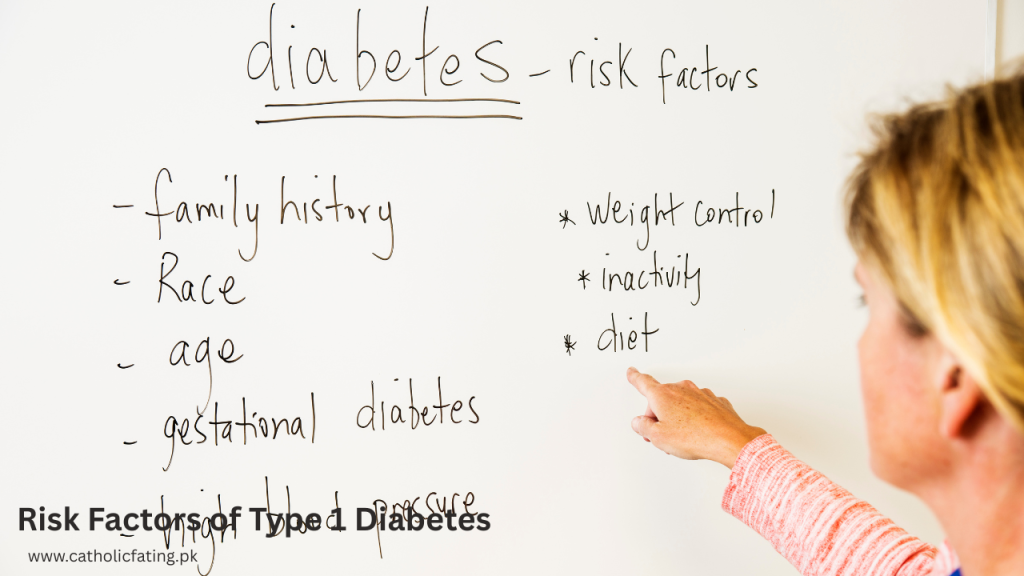
Type 1 diabetes is an autoimmune disease, meaning the body’s immune system mistakenly attacks its cells, in this case, the insulin-producing beta cells in the pancreas. While the exact cause remains unknown, several factors are considered to increase the risk of developing it:
Strongest Risk Factors:
- Family history: Having a close relative (parent, sibling, child) with type 1 diabetes significantly increases your risk. The risk is even higher if both parents have the condition.
- Age: Though people of any age can develop type 1 diabetes, it is most commonly diagnosed in childhood and adolescence, with peak incidences between ages 4-6 and 10-14.
Other Potential Risk Factors:
- Genetics: Specific genetic variations can make you more susceptible to developing type 1 diabetes.
- Environmental triggers: Viral infections, dietary factors, and exposure to certain toxins are thought to potentially play a role in triggering the autoimmune attack.
- Race and ethnicity: Certain ethnicities, like Caucasians, may have a slightly higher risk compared to others.
- Geography: People living in colder climates might have a slightly higher risk than those in warmer regions.
- Autoimmune conditions: Having other autoimmune conditions can increase the risk of developing type 1 diabetes.
It’s important to note that while these factors raise the risk, they don’t guarantee the development of type 1 diabetes. Additionally, some individuals with several risk factors never develop the condition.
Remember:
Type 1 diabetes is not preventable, but early diagnosis and proper management can significantly improve the quality of life and prevent complications.
If you have any risk factors or concerns, talk to your doctor about screening and monitoring tests.
Diagnosing Type 1 Diabetes
Testing for type 1 diabetes involves a combination of blood tests and potentially urine tests, depending on your specific situation and the healthcare provider’s approach.
Here’s a breakdown of the common tests:
Blood glucose tests:
- Fasting blood glucose (FPG): This measures your blood sugar level after you haven’t eaten or drunk anything for at least 8 hours, usually overnight. An FPG level of 126 mg/dL or higher on two separate occasions indicates diabetes.
- Random blood glucose (RBG): This test measures your blood sugar at any time of day, regardless of when you last ate or drank. An RBG level of 200 mg/dL or higher suggests diabetes.
- Oral glucose tolerance test (OGTT): This test measures your blood sugar before and 2 hours after you drink a sugary drink. Normally, your blood sugar level rises after the drink, but then comes back down within 2 hours. In people with diabetes, the blood sugar level remains high.
Additional tests:
- Glycated hemoglobin (HbA1c) test: This test measures your average blood sugar level over the past 2-3 months. It’s a good indicator of how well you’ve been managing your blood sugar levels, even if they fluctuate throughout the day. An HbA1c level of 6.5% or higher indicates diabetes.
- Autoantibody tests: These tests check for the presence of autoantibodies, which are substances produced by your immune system that attack your insulin-producing beta cells in the pancreas. Autoantibodies are more common in people with type 1 diabetes than type 2.
Urine tests:
- Urine ketones test: This test checks for the presence of ketones in your urine, which are a byproduct of the breakdown of fat when your body can’t use glucose for energy. High levels of ketones can indicate diabetic ketoacidosis, a serious complication of diabetes.
It’s important to note that these tests are used in combination to diagnose type 1 diabetes. No single test is definitive.
Here are some additional things to keep in mind:
- If you have any symptoms of type 1 diabetes, such as excessive thirst, frequent urination, unexplained weight loss, fatigue, or blurred vision, it’s important to see a doctor right away. Early diagnosis and treatment are essential for preventing serious complications.
- If you’re concerned about your risk of developing type 1 diabetes, talk to your doctor. They can assess your risk factors and recommend appropriate screening tests.
- There is currently no cure for type 1 diabetes, but it can be effectively managed with insulin injections, healthy eating, regular exercise, and blood sugar monitoring.
I hope this information is helpful. Please let me know if you have any specific questions about testing for Type 1 diabetes or if you’d like me to elaborate on any of the points mentioned above.
Managing Type 1 Diabetes
Managing diabetes mellitus effectively requires a multi-pronged approach that focuses on diet, exercise, blood sugar monitoring, medication (if needed), and overall well-being.
Diabetes, compared to many other illnesses, is primarily under your control, with support from your medical team:
- Primary care doctor
- Foot doctor
- Dentist
- Eye doctor
- Registered dietitian nutritionist
- Diabetes educator
- Pharmacist
Don’t hesitate to ask for support and guidance from your loved ones, educators, and other significant figures. Although controlling diabetes can be difficult, any effort you make to enhance your well-being will pay off!
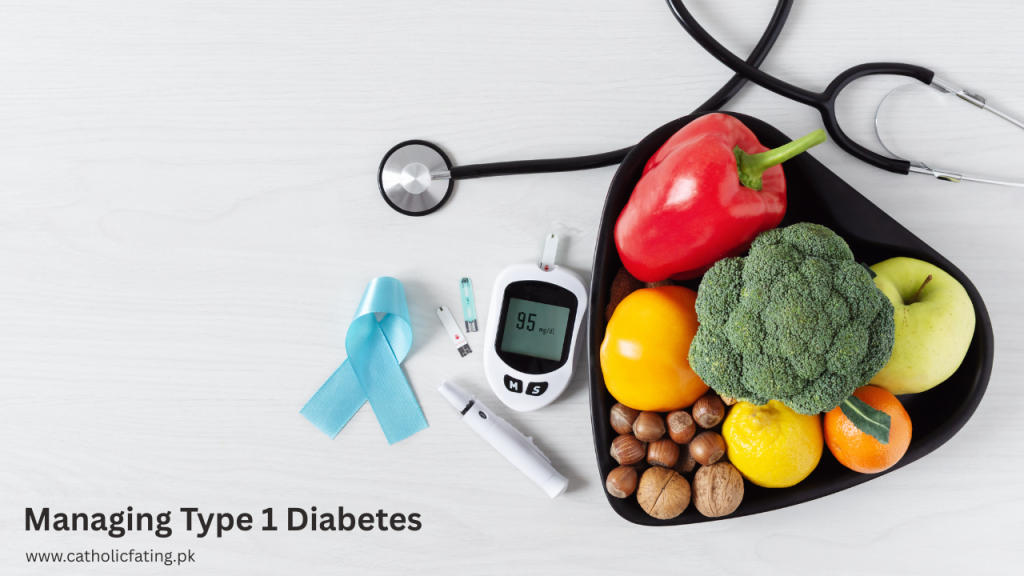
If you have type 1 diabetes, you must use an insulin pump or administer doses of insulin daily. Your body needs insulin to produce energy and to control blood sugar levels. Insulin cannot be taken as a tablet.
This is because it would be damaged by the acid in your stomach before it could enter your bloodstream. Together, you and your doctor will determine which type and amount of insulin will work best for you.
You must also check your blood sugar regularly. Find out from your doctor what your ideal blood sugar levels are and how frequently you should check them. By maintaining your blood sugar levels as near to target as you can, you can help avoid or postpone issues associated with diabetes.
While stress is essential in life, it can make diabetes management more difficult. It can be more difficult to control your blood sugar levels and take care of your diabetes regularly.
Frequent exercise, obtaining enough sleep, and relaxing activities can all be beneficial. Discuss these and additional stress-reduction techniques with your physician and diabetes educator.
Additionally, healthy living practices are essential:
- Choosing wholesome foods
- Engaging in physical activity
- Managing your blood pressure
- Managing your cholesterol
Make sure you and your healthcare team have regular appointments. In addition to providing novel concepts and methods when needed, they can help you adhere to your treatment plan.
Hypoglycemia and Diabetic Ketoacidosis: Two Serious Complications of Diabetes
Both hypoglycemia and diabetic ketoacidosis (DKA) are potentially life-threatening complications of diabetes that require immediate medical attention. While seemingly opposite, they both stem from issues with insulin and blood sugar levels.

Understanding the differences and causes is crucial for effective management and avoiding these emergencies.
Hypoglycemia: A Sugar Slump You Don’t Want
Imagine running on low fuel: that’s what hypoglycemia feels like. It’s when your blood sugar dips below its happy zone, usually below 70 mg/dL, leaving your body starved for its main energy source – glucose.
This sugar slump often arises from the imbalance between insulin (which lowers blood sugar) and sugar intake. Skipped meals, overzealous insulin doses, intense exercise, or certain medications can tip the scales towards depletion.
The warning signs are like a frantic car sputtering on fumes: shakiness, sweating, dizziness, blurry vision, and even confusion. It’s your body’s urgent call for a sugar recharge! Ignoring it can lead to seizures or even coma in severe cases.
The fix? Think fast-acting carbs! A quick shot of glucose tablets, fruit juice, or regular soda can raise your blood sugar and get you back on track. But remember, hypoglycemia is serious, so always seek medical attention if severe or recurring.
Keep your blood sugar meter close, listen to your body’s whispers (or screams!), and fuel up wisely. With proper management, you can keep hypoglycemia at bay and enjoy that smooth, steady energy we all crave.
Causes of hypoglycemia:
- Diabetes: Taking too much insulin or other diabetes medications is the most common cause of hypoglycemia in people with diabetes.
- Skipping meals or eating too little: Not eating enough carbohydrates, the main source of glucose, can lead to hypoglycemia.
- Strenuous exercise: Exercising for a long time or intensely without consuming enough carbohydrates can also cause hypoglycemia.
- Certain medical conditions: Some medical conditions, such as liver disease, kidney disease, and certain hormonal disorders, can affect how your body regulates blood sugar and lead to hypoglycemia.
- Alcohol consumption: Drinking alcohol can interfere with your body’s ability to release glucose from the liver, leading to hypoglycemia, especially if you haven’t eaten.
Symptoms of hypoglycemia:
Early symptoms:
- Shaking
- Sweating
- Dizziness
- Blurred vision
- Confusion
- Headache
- Rapid heartbeat
- Anxiety
Later symptoms, if left untreated:
- Seizures
- Coma
Treatment of Hypoglycemia:
Mild hypoglycemia: If you have mild hypoglycemia, you can usually treat it yourself by eating or drinking something that contains carbohydrates, such as:
- Glucose tablets
- Fruit juice
- Regular soda
- Crackers with peanut butter
The goal is to raise your blood sugar level to at least 70 mg/dL. Once your blood sugar level is back in the normal range, you should eat a small meal or snack to prevent your blood sugar from dropping again.
Severe hypoglycemia: If you are unconscious or unable to swallow, you will need glucagon, a hormone that raises blood sugar levels. Glucagon is available in injection and nasal spray forms.
Preventing Hypoglycemia:
- Monitor your blood sugar levels regularly: This is especially important if you have diabetes.
- Eat a healthy diet: Make sure to include plenty of complex carbohydrates in your diet, such as whole grains, fruits, and vegetables.
- Take your medications as prescribed: Don’t skip or take too much of your diabetes medication.
- Tell your doctor about any new medications you are taking: Some medications can interact with diabetes medications and increase your risk of hypoglycemia.
- Carry a glucagon kit with you: If you have a history of severe hypoglycemia, you should always carry a glucagon kit with you in case of an emergency.
If you have diabetes, it’s important to be aware of the symptoms of hypoglycemia and know how to treat it. By following these tips, you can help prevent hypoglycemia and keep your blood sugar levels in check.
Diabetic Ketoacidosis: A Dangerous Metabolic Storm
Diabetic ketoacidosis (DKA) is a severe and potentially life-threatening complication of diabetes, primarily affecting type 1 diabetics. It occurs when the body lacks sufficient insulin, its key for unlocking glucose from the bloodstream and fueling cells. This deficiency triggers a metabolic scramble, forcing the body to burn fat for energy instead.
As fat gets broken down, it produces acidic waste products called ketones. Normally, ketones are harmless in small amounts. But in DKA, they accumulate rapidly, poisoning the blood and disrupting the body’s delicate pH balance. This acidic environment throws various bodily functions into chaos, leading to a cascade of dangerous symptoms.
Excessive thirst and urination, fruity-smelling breath, nausea and vomiting, abdominal pain, fatigue, and confusion are all red flags for DKA. In severe cases, difficulty breathing, coma, and even death can occur. If you experience any of these symptoms, immediate medical attention is crucial.
Fortunately, DKA is treatable, but it requires prompt intervention. Treatment typically involves intravenous fluids to rehydrate the body, insulin to lower blood sugar and counter the effects of glucagon (a hormone that raises blood sugar), and sometimes, electrolyte replacement to restore imbalances. With timely and proper treatment, most people with DKA can recover fully.
DKA is a medical emergency. Early recognition and swift action are key to preventing devastating complications. If you have diabetes, be aware of the warning signs, monitor your blood sugar regularly, and seek immediate medical help if you suspect DKA.
Causes of DKA
- Insulin deficiency: Insufficient insulin due to missed or inadequate doses, malfunctioning insulin pumps, or new-onset type 1 diabetes can trigger DKA.
- Illness: Infections, fever, and other illnesses can elevate blood sugar and increase the risk of DKA.
- Surgery or other medical procedures: Stressful events like surgery can disrupt blood sugar control and lead to DKA.
- Dehydration: Severe dehydration can concentrate ketone levels in the blood, worsening DKA.
- Alcohol or drug use: Certain substances can interfere with insulin action and contribute to DKA.
Symptoms of DKA:
- High blood sugar: Frequent urination, excessive thirst, fatigue, and blurred vision.
- Ketones in the blood or urine: Fruity-smelling breath, nausea and vomiting, and abdominal pain.
- Electrolyte imbalances: Confusion, weakness, rapid breathing, and coma in severe cases.
Diagnosis and Treatment:
DKA diagnosis involves blood and urine tests to measure blood sugar, ketones, and electrolytes. Immediate medical attention is crucial, involving:
- Intravenous fluids: Restore hydration and electrolyte balance.
- Insulin therapy: Lower blood sugar and stop ketone production.
- Monitoring: Closely monitor vital signs and blood sugar levels.
- Addressing the underlying cause: Treating any infections or other triggers.
Preventing DKA:
Proper diabetes management is key to preventing DKA. This includes:
- Consistent insulin dosing: Follow your doctor’s prescribed insulin regimen precisely.
- Blood sugar monitoring: Regularly check your blood sugar levels and adjust insulin as needed.
- Healthy lifestyle: Maintain a balanced diet, engage in regular physical activity, and manage stress.
- Sick day protocol: Have a plan for managing your blood sugar during illness or stress.
- Early recognition of symptoms: Familiarize yourself with DKA symptoms and seek immediate medical help if you experience them.
By understanding DKA and taking proactive steps, you can significantly reduce your risk of developing this serious complication.
DKA is a medical emergency. If you suspect you or someone you know might be experiencing DKA, call emergency services immediately.
Key Difference: Hypoglycemia and Diabetic Ketoacidosis (DKA)
| Feature | Hypoglycaemia | Diabetic Ketoacidosis (DKA) |
| Blood sugar level | Low (below 70 mg/dL) | High (above 250 mg/dL) |
| Insulin levels | May be normal or high | Very low or absent |
| Ketone levels | Normal | Elevated |
| Onset | Gradual or sudden | Gradual, over hours or days |
| Treatment | Fast-acting carbohydrates or glucagon | Intravenous fluids and insulin, hospital care |
Both hypoglycemia and DKA are serious and require immediate medical attention. If you have diabetes, it’s crucial to monitor your blood sugar levels regularly and understand the symptoms of both conditions so you can act quickly if needed.
Conclusion
Some types of diabetes, such as type 1 and type 1.5, can be brought on by situations beyond your control. Some, like type 2, can be avoided by improving dietary choices, upping physical activity, and decreasing body weight.
Talk to your doctor about the dangers related to diabetes. Have your blood sugar checked if you’re at risk, and follow your doctor’s recommendations on blood sugar management.
FAQS (Frequently Asked Questions)
Q#1: What is Type 1 diabetes?
Unlike Type 2, Type 1 diabetes isn’t caused by lifestyle factors. It’s an autoimmune disease where the body’s immune system mistakenly attacks insulin-producing cells in the pancreas, leading to a lack of insulin. Insulin is vital for blood sugar (glucose) uptake by cells, so its absence causes high blood sugar levels.
Q#2: What are the symptoms of Type 1 diabetes?
Frequent urination, excessive thirst, unexplained weight loss, fatigue, blurred vision, slow-healing wounds, and recurrent infections are common symptoms. These can develop quickly, within weeks or even days, prompting urgent medical attention.
Q#3: How is Type 1 diabetes treated?
Currently, there’s no cure for Type 1 diabetes. However, lifelong insulin therapy through injections or pumps helps manage blood sugar levels. Additionally, carbohydrate counting, regular blood sugar monitoring, and a healthy lifestyle are crucial for optimal management.
Q#4: Can you live a normal life with Type 1 diabetes?
Absolutely! With proper management and ongoing medical support, people with Type 1 diabetes can lead fulfilling and active lives. They can pursue careers, hobbies, and relationships just like anyone else.
Q#5: What are the latest advancements in Type 1 diabetes research?
Research is actively seeking advancements in various areas, including artificial pancreas systems that automatically adjust insulin delivery, stem cell and gene therapy approaches to restore insulin production, and continuous glucose monitoring technology for improved blood sugar control.


