
When blood sugar levels are abnormally high, a disorder known as diabetes can develop. This issue, which is a global health concern, impacts many millions of people worldwide.
Controlling sugar levels in the body is the primary challenge that diabetes presents, but it can also significantly impact a variety of other health problems.
On the other hand, those who discuss diabetes rarely delve into the topic of how the condition might lead to diarrhea. The good news is that diabetes can typically be prevented by following a healthy lifestyle and making decisions in your best interest.
With the help of this tutorial, you will learn 5 Tips for Taking Control of Diabetes. Now, let’s get started.
What is diabetes?
When your blood glucose, or blood sugar, level is too high, you have a medical problem called diabetes or diabetes mellitus. Blood sugar is the body’s main power. Glucose can be made by the body, but it can also come from food.
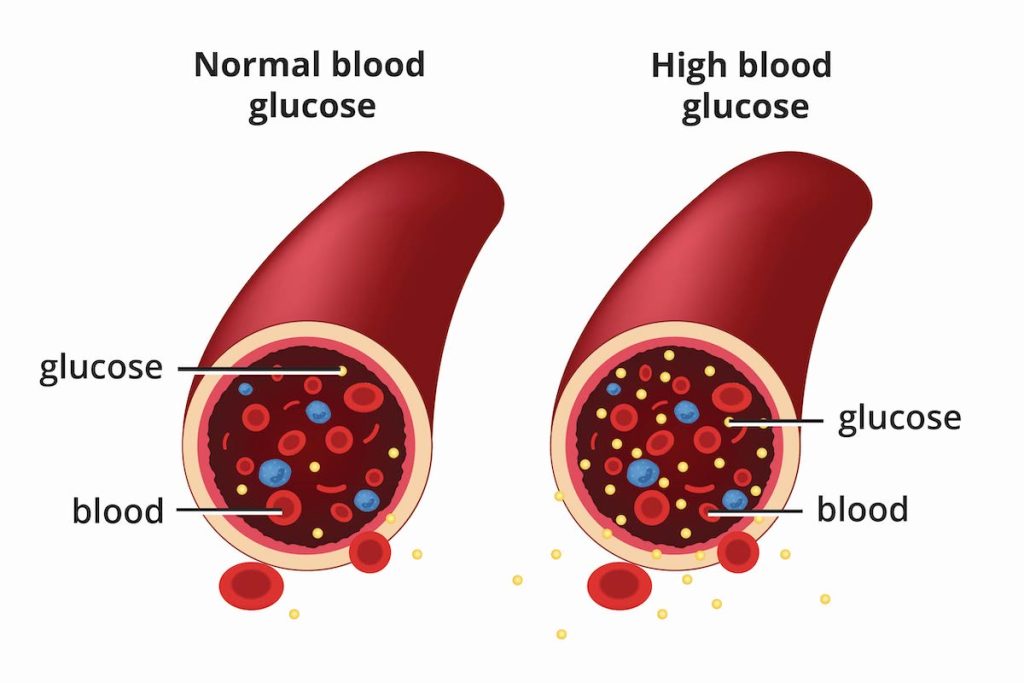
Insulin is a hormone that your pancreas makes. It helps glucose get into your cells to be used as fuel. If your body either doesn’t make enough insulin or can’t use the insulin it does make well, you have diabetes. After that, the glucose stays in your system and doesn’t get to your cells.
If you have diabetes, your eyes, liver, nerves, and heart could get hurt. A few types of cancer are also linked to diabetes. You are less likely to get complications from diabetes if you take steps to avoid or control it.
What are the types of diabetes mellitus?
Type 1 diabetes, Type 2 diabetes, and neonatal diabetes are the main types of diabetes.
Type 1:
One kind of diabetes. When someone has type 1 diabetes, their body doesn’t make any insulin at all. Insulin is a hormone that helps the body control blood sugar levels. The disease starts when the immune system attacks and kills some beta cells in the pancreas that make insulin by mistake.
Type 1 diabetes can happen to people of any age, but it most often starts in kids and teens. The reason isn’t known, but it’s thought to be an autoimmune disease with genetic and external factors, like viral infections, playing a part.
Symptoms usually show up quickly and include excessive thirst and urination, extreme hunger, tiredness, trouble seeing, and weight loss.
Type 2:
When you have type 2 diabetes, your cells don’t respond to insulin the way they should. Your pancreas may still be making some insulin, but it’s not enough to bring your blood sugar level back to a healthy level. Also, most people with diabetes have type 2.
Being overweight or fat and having a family history of the disease are both things that put you at risk for getting type 2 diabetes. No matter what age, you can get type 2 diabetes.
By learning about the risks and taking steps to live a healthy life, like losing weight or stopping yourself from gaining weight, you can delay or even stop its growth.
5 Tips for Taking Control of Diabetes
Diet, exercise, and changing one’s lifestyle are important components of a comprehensive management strategy. It turns out that managing diabetes is essential to maintaining health and avoiding related problems.
Improving one’s quality of life and effectively controlling diabetes can be achieved through proactive initiatives and empowerment with knowledge.

Diabetes does not have to entail a life of suffering; with a few easy-to-follow strategies, you may take charge of your health and attain ideal outcomes.
Let’s discuss 5 tips for taking control of diabetes
Tip 1: Healthy and Balanced Diet
For both the prevention and treatment of diabetes, a healthy, well-balanced diet full of nutrients can be useful. Focus on low-GI foods to keep your blood sugar from rising quickly. In general, try to eat as many whole grains, veggies, and lean proteins as you can. Leafy greens, beans, fish, and quinoa are all good picks.
Also, you should eat less high-GI foods, like processed foods, sugary snacks, and white bread. These foods will greatly raise your blood sugar levels. But cooking at home makes it easy to keep track of what you’re eating and how much, which helps you eat a healthy diet.
Tip 2: Physical exercise
Some people say that working out is the best way to fight diabetes. For losing extra weight and making insulin work better, the exercise plan should include both aerobic (like walking, riding, or swimming) and strength training (like weightlifting or resistance exercises).
Also, people should work out for at least 150 minutes a week, which is a reasonable amount of time. But this kind of training is most important for finding things you enjoy doing every day. Remember that exercise doesn’t have to be hard. It just needs to be a regular part of your life.
Tip #3: Regularly check your blood sugar levels
If you want to handle your diabetes well, you should check your blood sugar levels often. A glucometer or continuous glucose monitor (CGM) can be used to check your levels every day. You can see how your levels change from one time of the day to the next.
Being aware of this helps you make good choices about what you eat and how you live. It gets easy to figure out how different foods and tasks might impact your blood sugar. You should be able to try and aim at different times of the day, like before or after you eat, to get a full picture of how your body is reacting.
Tip 4: Avoid Stress
Blood sugar levels are affected by stress, so managing stress is important for people who are at risk and for people who have diabetes. That’s why you should do things like yoga, meditation, or deep breathing every day to lower your stress.
In addition, you should make time for your hobbies and take good care of yourself. This will help you deal with problems more effectively and increase your overall chances of overcoming the stress your body is under. Remember that being calm and relaxed is good for your health as a whole. This makes the case of diabetes even easier to handle.
Tip 5: Sleep Well
Because it happens so often, most people forget or don’t know that rest is an important part of controlling blood sugar. Today, all doctors agree that you should sleep between 7 and 9 hours every night. Because of this, it would be smart to stick to a normal schedule for that reason.
Not getting enough rest can make insulin resistance happen and make you want to eat foods you shouldn’t. For example, make a relaxing bedtime habit, avoid using screens before bed, and make sure your room is ready for sleep. In conclusion, good sleep hygiene can improve overall health and help control diabetes.
Diabetes Signs and Symptoms
- Always thirsty
If someone has diabetes, one of the first signs they might notice is that they are always thirsty. This is also known as polydipsia or extreme thirst. The kidneys have to work harder to filter and absorb extra glucose when blood sugar levels are high.
This makes them make more pee, which dehydrates the body. This could make them thirsty all the time, which would make them drink more water.
- Going to the bathroom more often
Polyuria is going to the bathroom a lot, and it usually happens at night, which is also known as nocturia. If you have high blood sugar, your kidneys will be overworked and have to get rid of extra glucose through urine. When you lose water, your body loses glucose along with it. This makes you thirstier.
- Being too hungry
Feeling very hungry all the time, also known as polyphagia, even after eating, is another sign of diabetes. If the body isn’t making enough insulin or has become resistant to it, glucose can’t get into the cells in a way that would make getting energy easier.
As a result, the body lets hunger pangs happen while it “finds” energy, which leads to severe hunger.
- Loss of weight
People with diabetes might lose weight without meaning to because their bodies can’t use glucose to power their cells. The body starts to break down fat and muscle cells for power when cells can’t use glucose anymore. This makes you lose weight. This can happen even when a person is eating normally, which makes it a scary sign that needs to be taken care of by a doctor.
- Tiredness
People with diabetes often feel tired or very weak. When the body can’t use glucose as energy, it doesn’t get broken down. This makes the person feel weak and very tired. Feeling tired is also caused by losing water through frequent peeing and the body’s efforts to control the high blood sugar level.
- Trouble seeing
Because it changes the lens in the eye, changes in blood sugar levels can make things blurry. The lens swells up when a person has high blood sugar, which changes how well they can see. If you don’t treat it, this generally gets worse over time. Because of this, people who are having trouble seeing should see a doctor right away.
- Heal Wounds Slowly
People with diabetes often have cuts, scrapes, or sores that take a long time to heal. High blood sugar can make it hard for blood to move, which can slow down the body’s healing processes. This could make patients more likely to get infections and other problems, so taking care of wounds properly should be one of the most important things diabetes patients do.
- Infections that come back
Skin infections, gum infections, and infections in the urinary tract are some of the illnesses that people with diabetes get. If you have a lot of glucose in your blood, it makes it harder for your body to fight off infections. Higher glucose levels in the blood and tissues make it easy for bacteria and fungi to grow.
- Feeling numb or tingly
Neuropathy, which feels like tingling or stiffness in the hands or feet, can be caused by nerve damage from having high blood sugar for a long time. It can make the muscles hurt, burn, or feel weak. Keeping blood sugar levels in check will stop nerve damage from getting worse.
- Darker spots or spots on the skin
Dark spots that look like silk can be found on the neck, armpits, or groin. Acanthosis nigricans is a sign of insulin resistance, and patches like these may be linked to a higher chance of Type 2 diabetes; if it gets worse, you should talk to your doctor about it.
Conclusion
A whole-person method is used to lower the number of people who get diabetes. Eat well, stay busy, check your blood sugar, learn how to deal with stress, and get enough sleep.
As part of your daily routine, eat superfoods, fiber, and water, and learn to be a smart participant who can spot hidden risks. The main parts of the prevention plan are regular check-ups, a supportive environment, and reaching goals, even if they are small ones.

These are the next important steps: busting myths, learning how to cook in a way that is good for people with diabetes, learning how mouth health is linked to diabetes, and making plans for the long term. By doing these things, you develop a proactive approach to living a healthy life.
FAQ’S
- What are the symptoms of diabetes?
The symptoms of diabetes mellitus generally are increased thirst and urination, extreme hunger, fatigue, blurred vision, and slow-healing sores. People may also notice unintended weight loss. If you experience any of these symptoms, you should consult a health professional for an assessment.
- What is the effect of exercise on blood sugar?
Exercise is one of the steps that might be used to lower blood sugar through increased sensitivity of insulin, which therefore enhances glucose usage by your body. Exercise helps in controlling your weight, thus aiding in managing diabetes generally. Aerobic and strength-training exercises are recommended.
- How is insulin related to managing diabetes?
The hormone in the body to causes the blood sugar level to become normal is called insulin, which allows glucose to enter cells and be used for energy. In Type 1 diabetes, there is usually little to no production of insulin, so the patient often needs to take it in an insulin pump or injections every day. If other medicines alone are not doing an effective job of managing the blood sugar, such a person may be prescribed insulin in conjunction with other medications for Type 2 diabetes as well.
- Are there different types of diabetes medications?
There are also various forms of diabetes drugs, like insulin and oral drugs. Oral drugs can include increasing insulin sensitivity, enhancing the production of insulin, or minimizing the glucose-producing effect in the liver. Your healthcare provider will advise you on the best medication prescription according to your specific needs and health status.
- Can stress cause diabetes?
Yes, stress is a very big contributor to blood sugar swings. When we are stressed, our body releases hormones like cortisol and adrenaline. The stimulation of such hormones can elevate the level of blood sugar. Finding an effective stress management technique, such as meditation, yoga, or deep-breathing exercises, is important to maintain a stabilized blood sugar.
- If the blood sugar level is too low?
In case of low blood sugar, treatment should be done as soon as possible. For low blood sugar, use quick-acting carbohydrates, such as glucose tablets or gel, fruit juice, or regular soda. Once your blood sugar returns to normal, have a snack or meal to stabilize your levels and prevent another dive.
- How does weight management affect diabetes?
Maintaining a healthy weight is crucial for managing diabetes. In losing even a tiny amount of body weight, the body’s sensitivity to insulin increases, thereby helping improve the level of blood sugar. Well-balanced diets with regular exercise are key to effective management of the weight of diabetics.
- What are the complications of diabetes?
Some of these complications include cardiovascular diseases, kidney damage, nerve damage, and eye complications, such as diabetic retinopathy. Proper management of blood sugar and regular check-up visits with a doctor may help prevent or delay these complications in your life. Being up-to-date and proactive about your health matters.
- How does smoking affect diabetes?
Smoking can contribute to some of the complications that go hand-in-hand with diabetes-related disease, including heart disease and poor circulation. It also seems to make blood sugar harder to regulate. Quitting smoking can lead to a great overall improvement in health, and better yet, is the prevention of complications of diabetes mellitus.
- What role does hydration play in the care of diabetes?
All patients with diabetes need to be well-hydrated as hydration tends to keep the patient’s blood sugar at manageable levels, thereby avoiding complications such as dehydration or damage to the kidneys. Drinking water and avoiding sugary beverages may contribute positively to health outcomes in diabetic patients.


