
Welcome to our guide on understanding the risk factors for diabetes and how you can take proactive steps to reduce your likelihood of developing this chronic condition. Diabetes is a prevalent and potentially serious disease that affects millions of people worldwide.
By identifying and addressing the risk factors associated with diabetes, you can make informed choices to lower your risk and maintain a healthy lifestyle.
Key Takeaways:
- Understanding the risk factors for diabetes is crucial in preventing its development.
- Modifiable lifestyle factors such as sedentary behaviour, poor diet, and obesity contribute to diabetes risk.
- Genetics and family history influence an individual’s susceptibility to diabetes.
- Age, ethnicity, and pregnancy can also impact the risk of developing diabetes.
- Managing diabetes risk involves adopting healthy lifestyle choices and regular screenings.
Understanding Diabetes: Types and Prevalence
Before delving into the risk factors associated with diabetes, it’s essential to have a basic understanding of this chronic condition. Diabetes is a complex disease that affects millions of people worldwide.
In this section, we will provide an overview of the different types of diabetes, including type 1 and type 2 diabetes, as well as the prevalence of the disease globally. We will also touch on prediabetes, a precursor to type 2 diabetes, and the genetic factors that may contribute to the development of the disease.
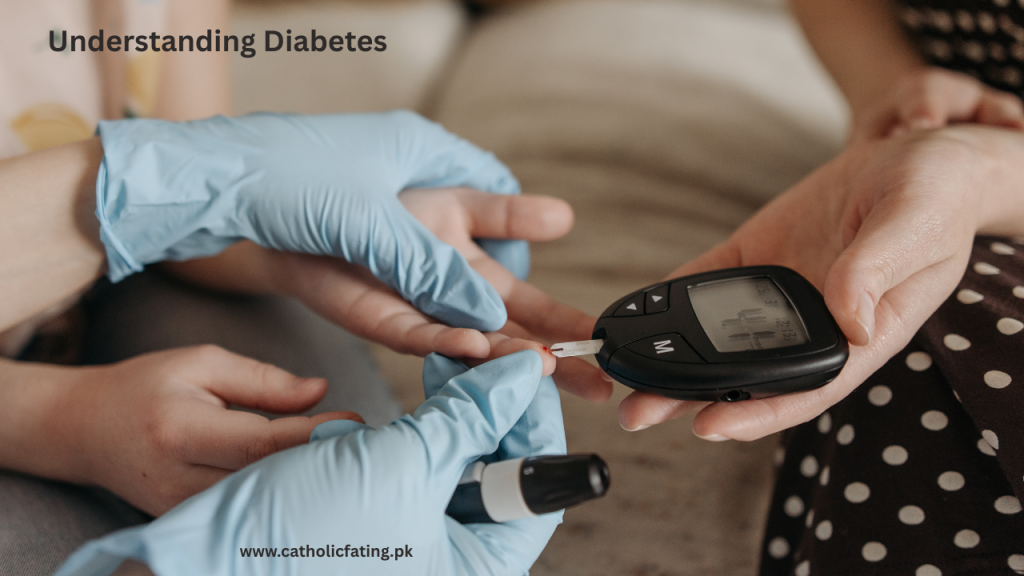
“Diabetes is a global epidemic that continues to rise, affecting individuals of all ages and backgrounds. By better understanding the different types of diabetes and their prevalence, we can take the necessary steps to prevent and manage this condition effectively.”
Types of Diabetes
There are several types of diabetes, but the most common ones are:
- Type 1 Diabetes: This autoimmune condition occurs when the immune system mistakenly attacks the pancreatic cells responsible for producing insulin. Type 1 diabetes is typically diagnosed during childhood or adolescence and requires lifelong insulin therapy.
- Type 2 Diabetes: This is the most prevalent form of diabetes and accounts for the majority of cases worldwide. Type 2 diabetes occurs when the body becomes resistant to insulin or fails to produce enough insulin. It is often associated with lifestyle factors such as poor diet, sedentary behavior, and obesity.
Prevalence of Diabetes
Diabetes mellitus is a significant public health concern, with a growing number of people affected globally. According to the International Diabetes Federation, an estimated 463 million adults between the ages of 20 and 79 were living with diabetes in 2019.
This number will rise to 700 million by 2045 if effective preventive measures are not implemented.
Here is a breakdown of the prevalence of diabetes by region:
| Region | Number of Adults with Diabetes (in millions) |
| Africa | 19.4 |
| Europe | 59.8 |
| Middle East and North Africa | 43.9 |
| North America and Caribbean | 46.7 |
| South and Central America | 35.4 |
| Southeast Asia | 82.3 |
| Western Pacific | 164.2 |
Based on these statistics, it is evident that diabetes affects people from all corners of the world, emphasizing the importance of understanding and addressing the risk factors associated with this chronic condition.
Lifestyle Factors and Diabetes Risk
Lifestyle choices are key contributors to the development of diabetes. By understanding the lifestyle factors that increase your risk of diabetes, you can make informed decisions to protect your health.
Sedentary behavior, poor diet, and obesity are notable risk factors for developing diabetes.
- Sedentary Behavior: Leading a sedentary lifestyle, characterized by prolonged periods of sitting or physical inactivity, can significantly increase the risk of developing diabetes. Lack of regular exercise and physical movement can lead to weight gain, reduced insulin sensitivity, and a higher likelihood of developing insulin resistance.
- Poor Diet: Diet plays a crucial role in overall health, and an unhealthy diet can greatly contribute to the risk of diabetes. Consuming excessive amounts of processed foods, sugary beverages, refined carbohydrates, and saturated fats can lead to weight gain, elevated blood sugar levels, and insulin resistance, all of which increase the risk of diabetes.
“The food you eat can be either the safest and most powerful form of medicine or the slowest form of poison.”
Ann Wigmore
- Obesity: Excess body weight and obesity significantly raise the risk of developing type 2 diabetes. When you carry excess weight, your body’s ability to properly utilize insulin is impaired, leading to insulin resistance. This, in turn, can lead to elevated blood sugar levels and eventually diabetes.
Assessing Your Diabetes Risk
It is crucial to assess your risk for diabetes based on your lifestyle choices. By understanding your risk factors, you can take proactive steps to reduce your likelihood of developing diabetes.
Here are some factors to consider:
- Physical Activity Level: Assess how much physical activity you engage in daily. Regular exercise helps maintain a healthy weight and improves insulin sensitivity.
- Dietary Habits: Evaluate your dietary patterns. Are you consuming a balanced diet with plenty of fruits, vegetables, whole grains, and lean proteins? Minimize the consumption of processed foods, sugary beverages, and unhealthy fats.
- Body Weight: Monitor your body weight and body mass index (BMI). If you are overweight or obese, take steps to achieve and maintain a healthy weight range.
- Family History: Determine if you have a family history of diabetes. Genetics can influence your risk, and it’s important to be aware of any familial predisposition to the disease.
- Age: Age is a significant risk factor for diabetes, particularly in individuals over the age of 45. Regular screenings and preventive measures become even more critical as you grow older.
| Lifestyle Factors | Impact on Diabetes Risk |
| Sedentary Behaviour | Increases the risk of developing diabetes due to reduced physical activity levels and insulin resistance. |
| Poor Diet | Reduces the risk of diabetes through increased blood sugar levels, insulin resistance, and weight gain. |
| Obesity | Significantly raises the likelihood of developing type 2 diabetes due to impaired insulin function and insulin resistance. |
Weight and Diabetes: The Connection
Excess weight and obesity are significant contributors to the development of type 2 diabetes. Maintaining a healthy weight is crucial for reducing the risk of diabetes and its complications.

In this section, we will explore the link between weight and diabetes and provide strategies for achieving and maintaining a healthy weight to lower your risk.
“Obesity is a well-established risk factor for type 2 diabetes.”
The connection between weight and diabetes is undeniable. Research has consistently shown that being overweight or obese increases the risk of developing type 2 diabetes.
Excess body fat, especially visceral fat that accumulates around the abdomen, is particularly problematic as it releases chemicals that can interfere with the body’s insulin response.
“Excess body fat, especially visceral fat that accumulates around the abdomen, is particularly problematic.”
To better understand the relationship between weight and diabetes, let’s take a closer look at the mechanisms involved:
- Insulin resistance: Excess weight can lead to insulin resistance, where the body’s cells become less responsive to insulin. This forces the pancreas to produce more insulin, ultimately leading to high blood sugar levels and an increased risk of diabetes.
- Inflammation: Obesity triggers chronic, low-grade inflammation in the body, which can impair insulin function and contribute to the development of diabetes.
- Hormonal imbalances: Adipose tissue, or fat cells, produce hormones that can interfere with normal insulin production and utilization, further increasing the risk of diabetes.
Although weight is not the sole determinant of diabetes risk, it plays a significant role. The good news is that even modest weight loss can have a profound impact on reducing the risk of developing diabetes and improving overall health.
Strategies for Achieving and Maintaining a Healthy Weight:
To lower your risk of diabetes, it is important to adopt healthy lifestyle habits that promote weight management.
Here are some strategies to consider:
- Eat a balanced diet: Focus on consuming whole, nutrient-dense foods and limit your intake of sugary snacks, processed foods, and saturated fats.
- Practice portion control: Be mindful of your food portions to avoid overeating.
- Engage in regular physical activity: Aim for at least 150 minutes of moderate-intensity exercise or 75 minutes of vigorous exercise each week.
- Set realistic goals: Gradually work towards achieving and maintaining a healthy weight rather than resorting to fad diets or extreme measures.
- Seek support: Consider joining a weight management program or consulting with a registered dietitian or healthcare professional for personalized guidance.
By making sustainable lifestyle changes, you can take control of your weight and significantly reduce your risk of developing diabetes.
The Role of Genetics in Diabetes
While lifestyle factors play a significant role in the risk of developing diabetes, genetics also contributes to an individual’s susceptibility to the disease. Family history and inherited traits play a crucial role in understanding the genetic risk of diabetes.
Research has shown that having a family history of diabetes increases the likelihood of developing the condition. If your parents or siblings have diabetes, your risk of developing the disease is higher compared to those with no family history.
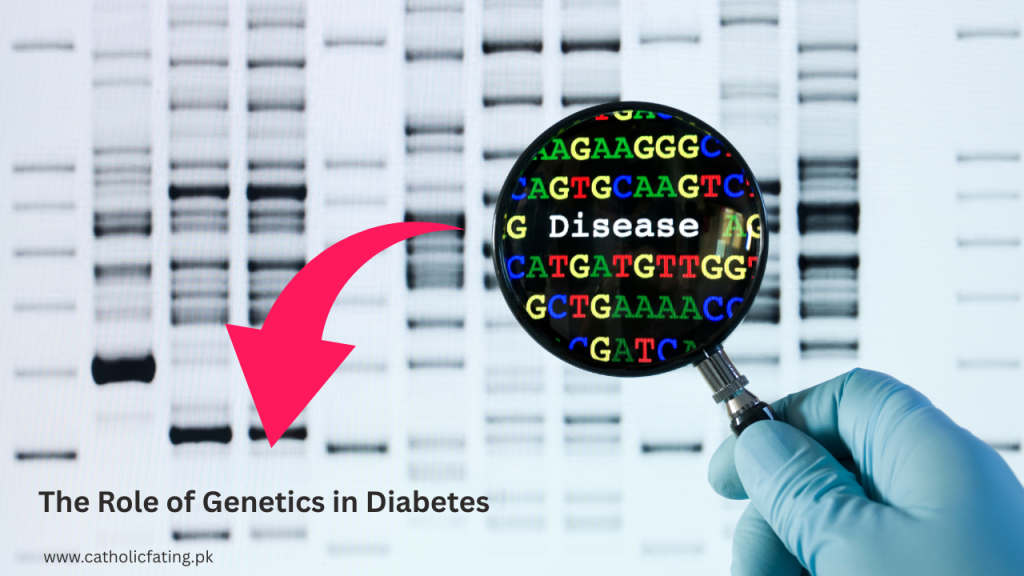
Genetic factors can affect how your body processes glucose and insulin, the hormones responsible for regulating blood sugar levels. Certain gene variations can impair insulin production or action, leading to an increased risk of diabetes.
It’s important to note that having these genetic factors does not guarantee that you will develop diabetes. Environmental factors, such as lifestyle choices and obesity, can also interact with genetic predispositions to increase the risk further.
The Impact of Family History on Diabetes Risk
A family history of diabetes can serve as a valuable indicator of your own risk. If you have a close relative with diabetes, it’s essential to be proactive about managing your health and understanding your personal risk factors.
Discussing your family history of diabetes with your healthcare provider can help identify potential risk factors and enable targeted preventive measures. Regular screenings, healthy lifestyle choices, and close monitoring of blood sugar levels can all play a vital role in reducing the risk of developing diabetes.
“Understanding your genetic risk for diabetes empowers you to make informed decisions about your health. By being proactive and adopting healthy habits, you can significantly reduce your risk and lead a fulfilling life.”
Fitness and Genetics: A Dynamic Interaction
It’s worth noting that while genetics plays a role in diabetes risk, they are not the sole determining factor. Even if you have a family history of diabetes, making positive lifestyle choices can help lower your risk or delay the onset of the disease.
Engaging in regular physical activity, maintaining a healthy weight, and following a balanced diet are essential for managing diabetes risk, regardless of your genetic background. By taking charge of your health, you can positively influence the interplay between genetics and lifestyle factors to protect against diabetes.
To gain a deeper understanding of the impact of genetics on diabetes risk, research studies have explored various genetic markers associated with the disease.
These investigations shed light on the complex relationship between genetics and diabetes, providing valuable insights into targeted prevention and personalized treatment approaches.
| Genetic Markers | Associated Risk |
| TCF7L2 gene variant | Increased risk of type 2 diabetes |
| PPARG gene variant | Increased insulin resistance and predisposition to type 2 diabetes |
| KCNJ11 gene variant | Higher risk of developing diabetes at an earlier age |
Understanding the specific genetic markers associated with diabetes can provide valuable information for targeted risk assessment and potential interventions.
However, it’s important to remember that genetics is just one piece of the puzzle, and the overall risk of diabetes is influenced by a combination of genetic and environmental factors.
By comprehensively assessing both genetic and lifestyle risk factors, individuals can take proactive steps to reduce their risk of developing diabetes.
A holistic approach that combines genetic insights, family history, and positive lifestyle choices can pave the way for a healthier future.
Age and Diabetes Risk
As we age, the risk of developing diabetes, particularly type 2 diabetes, increases. This is due to a combination of physiological changes, lifestyle factors, and genetic predispositions.
Understanding the relationship between age and diabetes risk can help individuals take proactive steps to maintain their health and prevent the onset of this chronic condition.
One of the key factors contributing to age-related diabetes risk is a gradual decline in insulin sensitivity. Insulin, a hormone produced by the pancreas, plays a crucial role in regulating blood sugar levels. As we age, our cells become less responsive to insulin, leading to a condition called insulin resistance.
In addition to Insulin resistance, aging is often accompanied by weight gain, decreased physical activity, and changes in dietary habits. These lifestyle factors can further increase the risk of developing type 2 diabetes.
The accumulation of excess body fat, especially around the waistline, can impair insulin sensitivity and disrupt the body’s glucose metabolism.

Moreover, age-related changes in body composition, such as a decrease in muscle mass and an increase in fat mass, can also contribute to insulin resistance. Reduced muscle mass reduces the body’s ability to effectively metabolize glucose, leading to increased blood sugar levels.
The risk of developing type 2 diabetes also has a significant genetic component. Certain genetic variations may predispose individuals to diabetes, and the likelihood of inheriting these genes increases with age.
Individuals with a family history of diabetes are at a higher risk, as genetic factors can amplify the impact of age-related changes and lifestyle factors.
“As we get older, our bodies undergo various changes that can increase the risk of developing type 2 diabetes. By understanding these age-related risk factors and making healthy lifestyle choices, we can take control of our health and reduce our risk of developing diabetes.”
Age and Diabetes Risk: Key Points
- Age is a significant risk factor for developing diabetes, particularly type 2 diabetes.
- Physiological changes, such as decreased insulin sensitivity and changes in body composition, contribute to age-related diabetes risk.
- Lifestyle factors, including weight gain, decreased physical activity, and changes in diet, can further increase the risk of developing type 2 diabetes.
- Genetic predisposition plays a role in age-related diabetes risk, and individuals with a family history of diabetes are at a higher risk.
Diabetes Risk and Ethnicity
Ethnicity and race can play a significant role in determining an individual’s risk of developing diabetes. Various studies have highlighted the disparities that exist within specific populations, shedding light on the impact of different ethnic backgrounds on diabetes risk.
Research has shown that certain ethnic groups have a higher prevalence of diabetes compared to others. For example, African Americans, Hispanic/Latino Americans, Native Americans, and Asian Americans are at a higher risk of developing diabetes when compared to Caucasians.
“Ethnicity is an essential factor when considering diabetes risk. Understanding the disparities that exist within certain populations can help inform targeted interventions and preventive strategies.”
The reasons behind these racial disparities are multifactorial and complex. They can be attributed to a combination of genetic, environmental, and socioeconomic factors.
For instance, genetic predispositions, cultural dietary preferences, and limited access to healthcare services in certain communities can contribute to the increased diabetes risk observed among specific ethnic groups.
Diabetes Risk Factors Across Ethnicities
To further illustrate the disparities in diabetes risk across ethnicities, let’s consider the prevalence rates and associated risk factors for a few major ethnic groups.
| Ethnicity | Prevalence of Diabetes | Contributing Risk Factors |
| African Americans | 13.2% | Genetic predisposition, obesity, and high blood pressure |
| Hispanic/Latino Americans | 12.8% | Genetic predisposition, obesity, sedentary lifestyle |
| Native Americans | 15.1% | Genetic predisposition, obesity, poor access to healthcare |
| Asian Americans | 9.2% | Genetic predisposition, high prevalence of abdominal obesity |
| Caucasians | 7.5% | Obesity, sedentary lifestyle, family history of diabetes |
While these statistics provide a general overview, it’s important to note that individual risk can vary even within ethnic groups.
Factors such as socioeconomic status, access to healthcare, and cultural practices further contribute to the complex interplay between ethnicity and diabetes risk.
Addressing Disparities and Promoting Health Equity
Recognizing the racial disparities in diabetes risk is the first step toward promoting health equity. It is essential to implement culturally sensitive healthcare interventions that address the specific needs of each ethnic group.
This can include targeted education, greater access to preventive screenings, and interventions to promote healthy lifestyle choices.

“By addressing the disparities in diabetes risk, we have an opportunity to minimize the burden of diabetes in marginalized communities and work towards achieving health equity for all.”
Healthcare providers and policymakers play a crucial role in reducing racial disparities in diabetes risk.
By prioritizing preventive strategies, raising awareness, and providing equal access to healthcare services, we can pave the way toward a future where ethnicity no longer determines an individual’s risk of developing diabetes.
Gestational Diabetes: Maternal and Child Risks
Pregnancy is a beautiful and transformative journey, but it can also come with certain risks, including the development of gestational diabetes. Gestational diabetes is a type of diabetes that occurs during pregnancy and can have potential implications for both the mother and the baby.
What are the risk factors for gestational diabetes?
Several factors can increase the risk of developing gestational diabetes. These include:
- Being overweight or obese
- Having a family history of diabetes
- Having a history of gestational diabetes in previous pregnancies
- Being older than 25 years
- Having polycystic ovary syndrome (PCOS)
- Belonging to certain ethnic groups, such as African American, Hispanic, or Native American
Complications of gestational diabetes:
Gestational diabetes, if left unmanaged, can lead to various complications for both the mother and the baby.
Some of these complications include:
- Macrosomia: This is a condition where the baby grows larger than average, increasing the risk of difficult delivery and birth injuries.
- Low blood sugar in the baby (hypoglycemia): This occurs when the baby’s blood sugar levels drop too low after birth, requiring careful monitoring and management.
- Preterm birth: Women with gestational diabetes have an increased risk of giving birth before their due date.
- Preeclampsia: This is a condition characterized by high blood pressure and damage to organs, posing risks to the health of both the mother and the baby.
- Type 2 diabetes: Women who have had gestational diabetes are at a higher risk of developing type 2 diabetes later in life.
“It’s crucial for pregnant women to undergo regular prenatal screenings to detect and manage gestational diabetes early on.”
Managing gestational diabetes:
If you are diagnosed with gestational diabetes, it’s important to work closely with your healthcare team to manage the condition effectively. This typically involves:
- Monitoring blood sugar levels regularly
- Following a healthy and balanced diet recommended by a registered dietitian
- Engaging in regular physical activity, as advised by your healthcare provider
- Taking prescribed medications, if necessary
By effectively managing gestational diabetes, you can minimize the risks and ensure a healthier pregnancy for both you and your baby.
| Complication | Description |
| Macrosomia | This is a condition where the baby grows larger than average, increasing the risk of difficult delivery and birth injuries. |
| Low blood sugar in the baby (hypoglycaemia) | This occurs when the baby’s blood sugar levels drop too low after birth, requiring careful monitoring and management. |
| Preterm birth | Women with gestational diabetes have an increased risk of giving birth before their due date. |
| Preeclampsia | This is a condition characterized by high blood pressure and damage to organs, posing risks to the health of both the mother and the baby. |
| Type 2 diabetes | Women who have had gestational diabetes are at a higher risk of developing type 2 diabetes later in life. |
Metabolic Syndrome and Diabetes Risk
Metabolic syndrome is a collection of risk factors that greatly increase the likelihood of developing type 2 diabetes.
In this section, we will delve into the components of metabolic syndrome and how they contribute to an elevated risk for diabetes.

By understanding these factors, you can take proactive steps to manage and prevent metabolic syndrome, ultimately reducing your risk of developing type 2 diabetes.
The Components of Metabolic Syndrome
Metabolic syndrome is diagnosed when an individual has at least three of the following risk factors:
- Central obesity, defined as excess abdominal fat
- High blood pressure (hypertension)
- Elevated blood sugar levels (insulin resistance or glucose intolerance)
- High triglyceride levels
- Low levels of high-density lipoprotein (HDL) cholesterol
Having metabolic syndrome increases the risk of developing cardiovascular disease and type 2 diabetes. It is important to address these risk factors to minimize the potential health complications associated with metabolic syndrome.
Managing and Preventing Metabolic Syndrome
While metabolic syndrome may seem daunting, there are effective strategies for managing and preventing its development:
- Healthy Eating: A balanced diet rich in fruits, vegetables, whole grains, and lean proteins can help control weight and manage blood sugar levels. Limiting the consumption of processed foods, sugary beverages, and high-sodium foods is also beneficial.
- Regular Physical Activity: Engaging in regular exercise, such as brisk walking, jogging, or cycling, can help maintain a healthy weight, reduce blood pressure, and improve insulin sensitivity.
- Weight Management: Achieving and maintaining a healthy weight is crucial for managing metabolic syndrome. Losing as little as 5-10% of body weight can have significant health benefits.
- Monitoring Blood Pressure and Cholesterol: Regular check-ups with your healthcare provider can help monitor and manage high blood pressure and cholesterol levels.
- Quitting Smoking: Smoking can worsen the risk factors associated with metabolic syndrome. Quitting smoking can greatly improve your overall health and reduce the risk of developing diabetes.
By incorporating these lifestyle changes into your daily routine, you can effectively manage and reduce the risk of developing metabolic syndrome and its associated complications, including type 2 diabetes.
| Risk Factor | Description |
| Central Obesity | Excess abdominal fat, commonly measured by waist circumference, is a key component of metabolic syndrome. |
| High Blood Pressure | Elevated blood pressure levels, typically defined as 130/85 mmHg or higher, increase the risk of developing metabolic syndrome. |
| Elevated Blood Sugar Levels | Insulin resistance or glucose intolerance leads to increased blood sugar levels, a primary risk factor for metabolic syndrome. |
| High Triglyceride Levels | Excess levels of triglycerides, a type of fat in the blood, contribute to the development of metabolic syndrome. |
| Low Levels of HDL Cholesterol | Low levels of high-density lipoprotein (HDL) cholesterol, often referred to as “good” cholesterol, are associated with an increased risk of metabolic syndrome. |
Identifying and Managing Diabetes Risk Factors
Now that you are aware of the various risk factors associated with diabetes, it is crucial to learn how to identify and manage your own risk for developing this chronic condition.
By taking proactive steps towards reducing your diabetes risk, you can significantly improve your overall health and well-being.
1: Evaluating Your Diabetes Risk
Begin by assessing your personal risk factors for diabetes. Consider factors such as age, family history, ethnicity, and lifestyle choices. You can use online risk assessment tools or consult with a healthcare professional to determine your likelihood of developing diabetes.
2: Uncovering Modifiable Factors
Identify modifiable risk factors that you can actively work on to reduce your diabetes risk. Lifestyle choices, such as diet and physical activity, play a significant role in diabetes prevention. By making healthier choices, you can effectively lower your risk of developing diabetes.
3: Making Proactive Lifestyle Changes
Implementing healthy lifestyle changes is key to managing and reducing your diabetes risk. Here are some proactive steps you can take:
- Choose a balanced diet: Opt for nutrient-dense foods, such as fruits, vegetables, whole grains, and lean proteins. Limit your intake of processed foods, sugary beverages, and high-sodium foods.
- Stay active: Engage in regular physical activity, aiming for at least 150 minutes of moderate-intensity exercise per week. Incorporate activities like walking, jogging, cycling, or swimming into your routine.
- Maintain a healthy weight: If you are overweight or obese, losing even a small amount of weight can have a significant impact on reducing your diabetes risk. Seek guidance from a healthcare professional or a registered dietitian for personalized weight management strategies.
- Avoid tobacco and limit alcohol: Smoking increases your risk of developing diabetes and other health complications. If you drink alcohol, do so in moderation.
Regular Screenings and Preventive Measures
Another essential aspect of managing diabetes risk is regular screenings and preventive measures. These measures can help detect early signs of diabetes and enable timely intervention:
- Get regular check-ups: Schedule routine visits with your healthcare provider for health screenings, including blood glucose tests, lipid profiles, and blood pressure checks.
- Monitor your blood sugar levels: If you have prediabetes or are at high risk, monitor your blood sugar levels regularly to catch any changes early on and make necessary adjustments to your lifestyle.
- Manage other health conditions: Certain medical conditions, such as high blood pressure and high cholesterol, can increase your diabetes risk. Work with your healthcare team to manage these conditions effectively.
- Stay informed and educated: Stay updated on the latest research and guidelines related to diabetes prevention. Attend educational seminars, read reliable sources, and engage with healthcare professionals to expand your knowledge.
| Beneficial Strategies | Key Diabetes Risk Factors Addressed |
| Following a healthy diet | Weight management, blood sugar control |
| Engaging in regular physical activity | Weight management, blood sugar control |
| Maintaining a healthy weight | Weight management, blood sugar control |
| Avoiding tobacco and limiting alcohol consumption | General health promotion |
| Regular health screenings and monitoring | Early detection, timely intervention |
By implementing these proactive steps and incorporating them into your daily life, you can significantly reduce your risk of developing diabetes. Remember, small changes can make a big difference when it comes to your health.
Conclusion
In conclusion, understanding the risk factors for diabetes is crucial to taking proactive steps toward prevention.
By addressing modifiable factors such as lifestyle choices, weight management, and regular screenings, you can significantly reduce your risk of developing this chronic condition.
Remember, the key to a healthy future lies in your hands.
FAQS (Frequently Asked Questions)
Q#1: What are the risk factors for developing diabetes?
Some common risk factors for diabetes include being overweight or obese, having a sedentary lifestyle, having a family history of diabetes, being over the age of 45, being of a certain ethnic background, and having prediabetes. Other factors such as high blood pressure, high cholesterol levels, and a history of gestational diabetes can also increase the risk.
Q#2: Can diabetes be prevented?
While diabetes cannot always be prevented, some steps can reduce the risk. These include maintaining a healthy weight, being physically active, eating a balanced diet, avoiding tobacco use, managing stress levels, and getting regular check-ups to monitor blood sugar levels. It’s important to consult with a healthcare professional for personalized guidance on diabetes prevention.
Q#3: Can genetics play a role in diabetes risk?
Yes, genetics can contribute to an individual’s risk of developing diabetes. Having a family history of diabetes can increase the likelihood of developing the condition. However, genetics alone do not determine whether someone will develop diabetes, as lifestyle factors also play a significant role. It’s important to be mindful of both genetic and lifestyle risk factors for diabetes prevention.
Q#4: How can lifestyle factors affect diabetes risk?
Lifestyle factors, such as diet and physical activity, can significantly influence the risk of developing diabetes. Unhealthy eating habits, lack of exercise, and sedentary behavior can increase the risk, while a balanced diet, regular physical activity, and maintaining a healthy weight can lower the risk. It’s important to make healthy lifestyle choices to reduce the chances of developing diabetes.
Q#5: What is the connection between weight and diabetes?
Excess weight and obesity are major risk factors for developing type 2 diabetes. Carrying extra weight, especially around the abdomen, can make cells more resistant to insulin, leading to elevated blood sugar levels. Losing weight and maintaining a healthy weight can help improve insulin sensitivity and reduce the risk of developing diabetes.
Q#6: How does age affect diabetes risk?
Age is a significant risk factor for developing diabetes, particularly type 2 diabetes. The risk increases as you get older, especially after the age of 45. This may be due to factors such as reduced physical activity, increased body fat, and decreased insulin sensitivity associated with aging. Regular screenings and adopting a healthy lifestyle are important for managing diabetes risk as you age.
Q#7: Can ethnicity influence diabetes risk?
Yes, ethnicity can influence the risk of developing diabetes. Certain ethnic backgrounds, such as African American, Hispanic, Native American, and Asian American, have a higher risk of developing diabetes compared to others. This can be attributed to a combination of genetic, lifestyle, and socioeconomic factors. Individuals from these backgrounds need to be aware of their increased risk and take appropriate preventive measures.
Q#8: What are the risks associated with gestational diabetes?
Gestational diabetes can increase the risk of complications during pregnancy, including high blood pressure, preeclampsia, and gestational hypertension. It can also raise the risk of developing type 2 diabetes later in life for both the mother and the baby. Managing gestational diabetes through a healthy diet, regular exercise, and close monitoring can help reduce these risks.
Q#9: How does metabolic syndrome contribute to diabetes risk?
Metabolic syndrome is a cluster of conditions that includes high blood pressure, high blood sugar levels, excess abdominal fat, and abnormal cholesterol levels. Having metabolic syndrome increases the risk of developing type 2 diabetes. Lifestyle changes, such as weight loss, regular physical activity, and healthy eating, can help manage metabolic syndrome and reduce the risk of diabetes.
Q#10: What are some proactive steps for managing diabetes risk factors?
Identifying and managing diabetes risk factors involves making healthy lifestyle choices. This includes maintaining a healthy weight, being physically active, eating a balanced diet, getting regular check-ups, and monitoring blood sugar levels. It’s important to stay informed, seek guidance from healthcare professionals, and make necessary lifestyle modifications to mitigate diabetes risk.


